Cottagecore Mushrooms Unicorn: A Maker’s Review
As an embroidery designer preparing for a weekend craft fair, my selection process is rigorous. I cannot afford to waste thread, stabilizer, or booth space on designs that do not translate from screen to physical product. When evaluating the Cottagecore Mushrooms Unicorn machine embroidery design, I am looking at more than just a cute graphic; I am assessing a potential bestseller for my handmade product lineup. This review breaks down how this specific magical woodland fantasy design performs in a real-world commercial embroidery setting, focusing on production viability and customer appeal.
First Impressions: Whimsy Meets Marketability
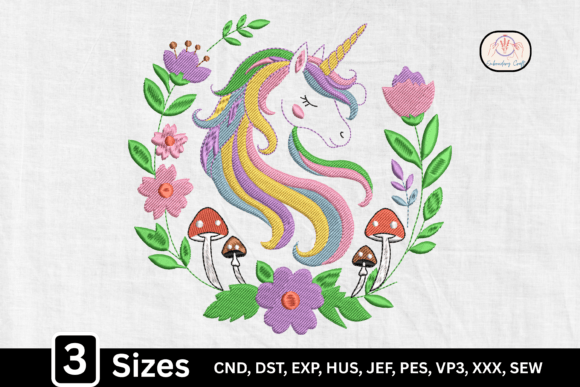
The immediate impression of the Cottagecore Mushrooms Unicorn is one of soft, nostalgic elegance rather than cartoonish novelty. In the crowded Fairy Tales category, many unicorn designs lean heavily into bright neons or juvenile aesthetics. However, this floral unicorn with mushrooms strikes a balance that appeals to the teen and adult demographic frequenting artisan markets. It feels rustic yet premium, making it suitable for higher-priced items like linen tea towels or canvas market bags.
For an Etsy seller or boutique maker, this distinction is vital. The design reads as "cottagecore" rather than "kids' stuff," which expands your target audience significantly. The integration of botanical elements suggests a sophisticated color palette involving sage greens, dusty pinks, and cream tones. This visual maturity means the finished product can sit comfortably alongside farmhouse decor or boho accessories without looking out of place.
Best Product Applications for Craft Fairs
Not every embroidery file suits every blank. Based on the intricate nature of a floral unicorn with mushrooms, here is where I see the highest return on investment for craft fair products:
- Tote Bag Design: This is the primary candidate. A natural cotton or linen tote provides the perfect neutral backdrop for the woodland details. The design size likely allows for a centered placement that is visible from a distance in a booth display.
- Tea Towel Embroidery: Kitchen textiles are high-volume sellers. Because this design features organic shapes (mushrooms and flowers), it complements the drape and texture of flour sack towels better than rigid geometric patterns.
- Apron Embroidery: For the baking and gardening niche, this design adds a touch of whimsy to functional wear. Placing it on the chest pocket area or lower hem creates a custom, high-end look.
- Embroidered Patch: If you have leftover fabric scraps, this design works beautifully as a standalone patch. Patches are excellent low-cost add-ons at checkout tables.
- Fabric Pouches and Zipper Bags: Small zippered pouches featuring this magical woodland fantasy design serve as perfect giftable handmade items. They utilize smaller hoop sizes while maintaining high perceived value.
Production Viability and Batch Efficiency
When preparing for a market, time is money. I evaluate the Cottagecore Mushrooms Unicorn based on its repeatability. Does the stitch density allow for reasonable run times? Complex fill stitches in mushroom caps or unicorn manes can sometimes lead to excessive production hours. However, if the digitizing uses efficient satin stitches and open fills, this design becomes a batch-production dream.
Photographing this digital embroidery file for online listings is also straightforward. The combination of florals and fantasy elements creates natural negative space, making it easy to style with props like dried flowers or vintage books. For printable mockups, ensure the design's aspect ratio matches your blank templates to avoid distortion. As a small shop product, consistency is key; this design has enough character to be a signature piece but enough versatility to appear across multiple product types without causing brand fatigue.
Critical Technical Considerations for Makers
Before hooping your first production piece, you must address specific technical challenges inherent to this style of machine embroidery design. Ignoring these can lead to puckering, registration issues, or lost details.
Fabric Texture and Stabilizer Choice
The success of the Cottagecore Mushrooms Unicorn relies heavily on your stabilizer strategy. Mushroom details often involve tight curves and varying stitch angles. On textured fabrics like terry cloth or waffle weave tea towels, you must use a water-soluble topping to prevent stitches from sinking into the pile. Without this, the delicate floral details will disappear visually. For tote bags and aprons, a medium-weight cutaway stabilizer is generally safer than tear-away to support the weight of dense satin stitches and prevent distortion during washing.
Thread Colors and Contrast
This design likely requires multiple thread changes. Plan your thread colors before starting batch production. Test how your chosen greens and pinks interact with your base fabric. Dark fabrics may require an underlay or lighter thread shades to maintain contrast. Always verify that your thread colors match the aesthetic of the cottagecore theme; neon threads will clash with the intended rustic vibe and devalue the finished product.
Sizing and Detail Clarity
Be cautious when resizing this embroidery file. Reducing a complex unicorn design below its intended minimum size can cause tiny details, such as mushroom gills or flower stamens, to merge into indistinguishable blobs. Check the original digitizer’s notes regarding minimum dimensions. If you intend to use this on curved surfaces like caps, verify that the design was digitized specifically for hats; flat designs often distort severely on curved brims.
Designer’s Pre-Production Checklist
To ensure the Cottagecore Mushrooms Unicorn translates perfectly from a digital file to a profitable craft fair product, follow this professional workflow:
- Verify Licensing: Before selling any finished product, confirm the commercial licensing terms included with the digital embroidery file. Ensure you are permitted to sell physical embroidered goods.
- Test on Scrap Fabric: Never run a new design directly on saleable inventory. Stitch out a sample on the exact fabric and stabilizer combination you plan to use.
- Inspect Stitch Density: Feel the test stitch-out. If the mushroom areas feel bulletproof or stiff, the density may be too high for lightweight fabrics like tea towels.
- Confirm Hoop Size: Measure the actual design dimensions in your software. Ensure it fits your hoop with adequate clearance for the presser foot to avoid hitting the hoop edges during stitching.
- Create Real Mockups: Photograph your test stitch-out on the actual product. Use these images for your Etsy listings instead of generic digital renders to build trust with buyers.
- Check Registration: Examine where different color blocks meet. Gaps between the unicorn outline and the floral fills indicate tension issues or poor digitizing that needs correction before mass production.
Enhancing Booth Display and Buyer Engagement
In a physical market setting, the Cottagecore Mushrooms Unicorn serves as a visual anchor. Its detailed nature draws customers in for a closer look, increasing dwell time at your table. To maximize this, display the design on varied textures—a smooth linen pillow cover next to a nubby cotton tote bag. This demonstrates the versatility of the design assets and helps customers visualize the item in their own homes.
For digital sellers and creative entrepreneurs, emphasize the "handmade quality" in your marketing. Describe the specific thread sheen or the tactile feel of the raised satin stitches. Customers buying fairy tale embroidery are purchasing an emotion and an aesthetic. By validating the technical quality and artistic merit of this design through careful production choices, you elevate your brand above mass-produced alternatives. Whether used as a focal point on an apron or a subtle accent on a pouch, this design offers genuine commercial potential for makers who approach it with professional intention.