Blooming Floral Lady Portrait Charm Review
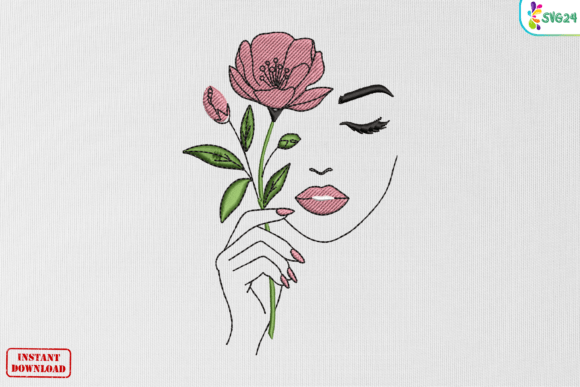
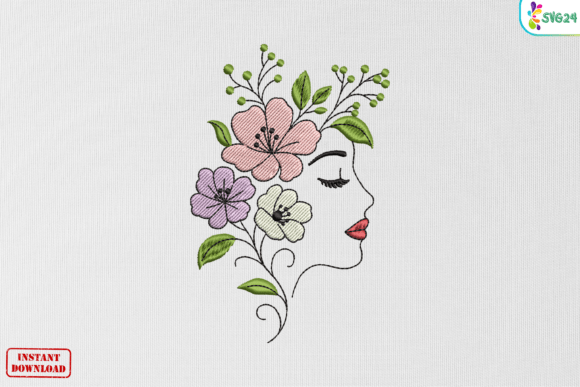
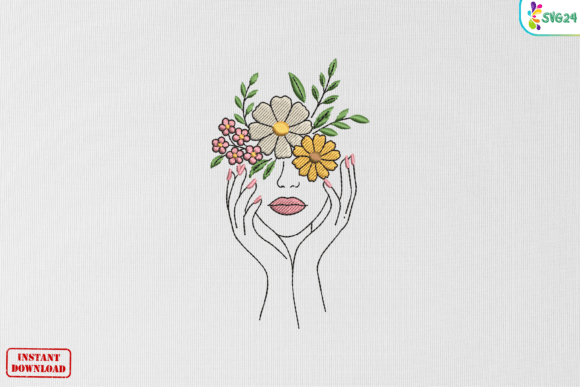
As a designer who has stitched out hundreds of portrait files for client commissions and shop inventory, I approach every new machine embroidery design with a critical eye. The Blooming Floral Lady Portrait Charm immediately caught my attention not just for its aesthetic, but for its potential versatility in the current market. When evaluating this piece, my first impression was one of sophisticated balance. It avoids the cluttered look that often plagues complex portrait files, instead offering a harmonious blend of feminine elegance and organic botanical elements. The mood is distinctly romantic yet grounded, making it feel appropriate for both high-end boutique items and sentimental personalized gift projects.
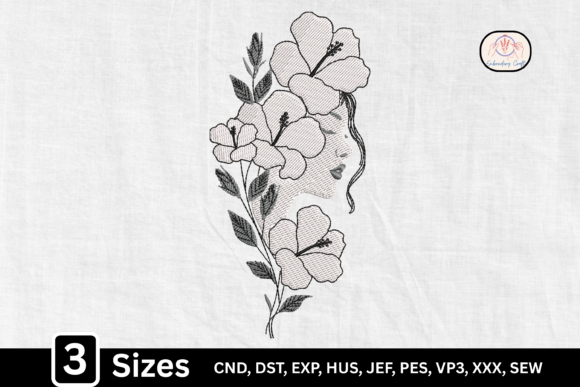
The integration of delicate flowers and leaves around the central figure creates a natural frame that guides the eye without overwhelming the subject. For those of us curating a Boho-inspired collection, this design hits the sweet spot between vintage charm and modern artistry. However, beauty alone does not make a great embroidery file. As I prepared to test this for real-world application, I focused heavily on how the digitizing would translate onto fabric, specifically considering stitch types, density, and end-use durability.
Real-World Application: The Custom Tote Bag Test
To truly evaluate the Blooming Floral Lady Portrait Charm, I decided to simulate a project for a hypothetical Etsy shop launch featuring eco-friendly accessories. My goal was to create a premium canvas tote bag design that justified a higher price point through perceived artistic value. Portrait embroidery on tote bags can be tricky; the fabric texture is coarse, and the bag needs to withstand wear. I chose a natural unbleached canvas to let the thread colors pop while maintaining that earthy, handmade aesthetic.
During the stitch-out, I paid close attention to the transition areas between the lady’s portrait and the surrounding florals. A common failure point in these designs is a harsh disconnect where the figure ends and the decoration begins. Fortunately, this design utilizes thoughtful placement stitches that anchor the botanical elements naturally. The result on the finished product was striking. The portrait felt intentional rather than stamped-on, and the floral accents softened the overall look, making it appealing to customers looking for feminine, artistic merchandise. This specific test confirmed that the design holds up as a centerpiece for commercial embroidery products where visual clarity from a distance is just as important as up-close detail.
Fabric Compatibility and Stabilizer Strategy
While the tote bag test was successful, the Blooming Floral Lady Portrait Charm requires more careful consideration when applied to apparel or stretchy materials. If you are planning sweatshirt embroidery or custom tees, you must account for fabric movement. Portrait designs often contain varying stitch density zones—dense satin stitches for facial features or hairlines alongside lighter fill stitches for shading. On stable fabrics like denim or canvas, this is manageable. On knits, however, improper stabilization can lead to puckering or misregistration that ruins the likeness.
For any custom apparel project using this file, I strongly recommend using a cut-away stabilizer rather than tear-away. The weight of the design demands support that remains after hooping. Additionally, if you are attempting this on darker fabrics, verify your thread contrast before committing. The delicate nature of the floral details can get lost against navy or black backgrounds unless you adjust your color palette or add an underlay base. Always check the recommended hoop size specifications provided with the file; forcing a large portrait into a smaller hoop by resizing can distort the aspect ratio and ruin the artistic integrity of the lady’s features.
Navigating Detail: Where to Exercise Caution
Not every project is suitable for such an intricate design. As much as I love the Blooming Floral Lady Portrait Charm, I would advise against using it for baby embroidery on onesies or lightweight cotton garments. The stitch count required to render the portrait and florals clearly likely creates a stiff patch that could be uncomfortable against sensitive skin or too heavy for thin fabric. Similarly, avoid placing this design on curved surfaces like caps unless the file has been specifically digitized for headwear; flat portrait designs rarely wrap correctly around a structured brim without significant distortion.
Crafters should also be wary of using this as a small accent or pocket logo. Portrait designs rely on scale to maintain recognition. Shrinking this down below its intended minimum size will cause the satin stitch columns to merge and the facial details to become muddy blobs. If you need a smaller version for a tag or sleeve cuff, look for a simplified variation or save this specific file for larger back prints, pillow covers, or wall art. Respecting the design's complexity ensures your finished product looks professional rather than amateurish.
Designer Notes for Professional Results
Before listing any item featuring this design in your shop or gifting it, run through this practical checklist to ensure quality and compliance:
- Test Stitch First: Never run this design directly on a final product without a test sew-out on similar scrap fabric. Check for registration issues between the face and the floral border.
- Verify Licensing: Confirm whether your purchase includes commercial rights for selling physical handmade product items versus digital files. Protect your business by understanding exactly what you are allowed to sell.
- Mockup Accuracy: When creating a printable mockup for your listings, use photos of actual stitch-outs whenever possible. Digital renders often fail to capture the texture and sheen of the threads, which can lead to customer disappointment.
- Thread Selection: Consider using matte or variegated threads for the botanical elements to enhance the Boho vibe, while keeping standard rayon or polyester for the portrait to ensure smooth coverage and vibrant skin tones.
- Check File Integrity: Ensure you have the correct format for your machine. While most digital embroidery file formats are universal, some machines handle complex jumps and trims differently. Edit jump stitches manually if necessary to reduce post-stitch trimming time.
Elevating Brand Value Through Artistic Embroidery
Incorporating the Blooming Floral Lady Portrait Charm into your repertoire is about more than just adding another pretty picture to your catalog; it is about signaling quality to your audience. Customers associate detailed, well-executed portraiture with high skill and premium materials. Whether you are an Etsy seller differentiating your shop from generic clip-art vendors or a hobbyist creating a meaningful anniversary gift, this design offers substantial visual weight.
The key to success lies in treating the design with respect during production. By matching the right fabric texture with appropriate stabilization, honoring the scale requirements, and presenting the final work professionally, you transform a digital file into a tangible asset. This design has the potential to become a signature piece in your collection, bridging the gap between traditional needlework aesthetics and contemporary maker culture. Just remember that the magic happens in the preparation and execution, not just in the digitizing itself. Take the time to understand the file, and the Blooming Floral Lady Portrait Charm will serve as a beautiful, profitable addition to your embroidery business.