Flowers Boho Embroidery Design Review
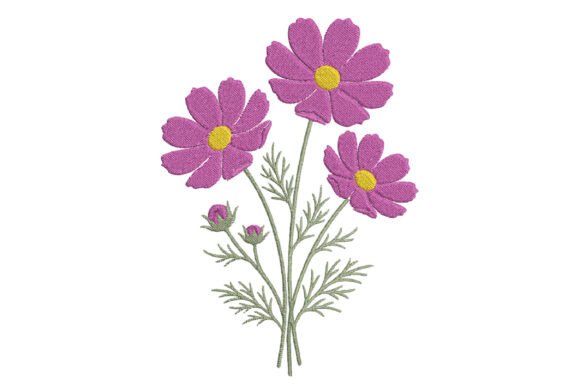
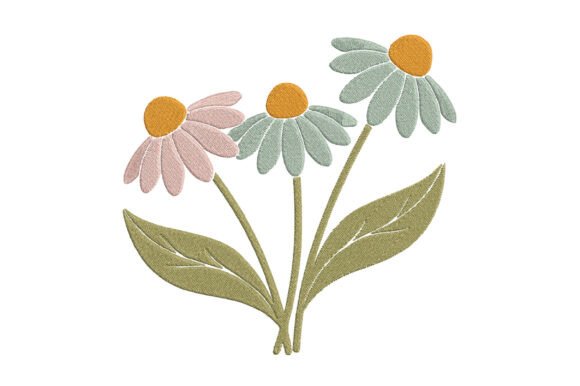
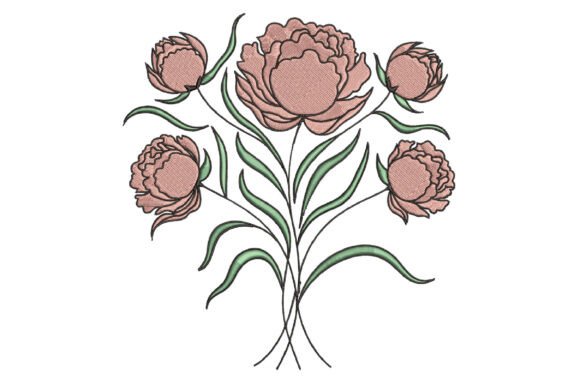
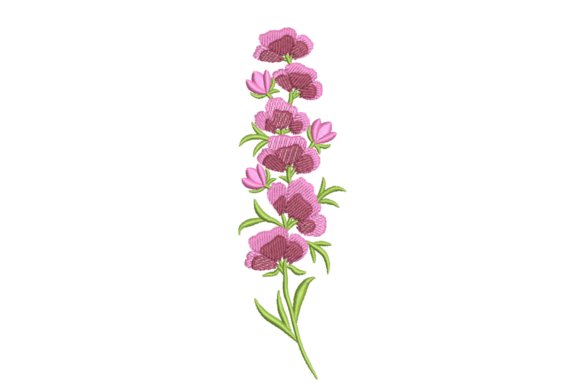
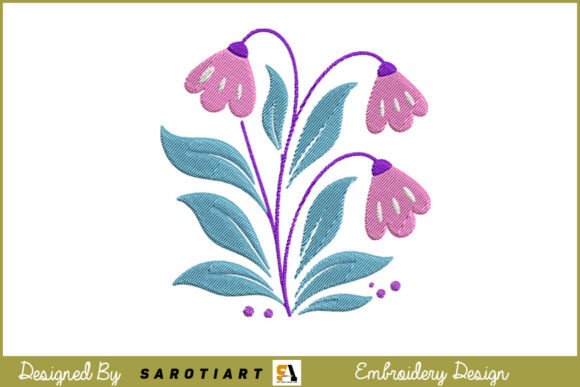
As I prepare my inventory for the upcoming weekend craft fair, my primary focus is selecting designs that bridge the gap between digital aesthetics and tangible, sellable goods. When evaluating the Flowers Boho Embroidery Design, I am looking at more than just a pretty image on a screen; I am assessing its viability as a revenue-generating asset for my booth. This specific design, featuring line art florals and hand motifs, immediately strikes me as a versatile contender for the modern handmade market. It possesses that sought-after organic, minimalist aesthetic that currently dominates Etsy searches and boutique shelves. However, translating this machine embroidery design into physical products requires a critical eye toward stitch performance, fabric compatibility, and customer appeal.
First Impressions and Market Positioning
My initial assessment of the Flowers Boho Embroidery Design is that it leans heavily into the "soft minimal" and "modern rustic" categories. Unlike dense, traditional floral fills that can feel heavy or dated, this line art style suggests airiness and elegance. For a craft fair table display, this is advantageous. Customers browsing quickly are drawn to clean lines and recognizable shapes that do not require intense scrutiny to appreciate. The combination of botanical elements with the "Love Hands" line art creates an emotional connection, positioning it perfectly for giftable items rather than just utilitarian goods.
From a business perspective, this design feels premium yet accessible. It avoids the cluttered look that often plagues lower-quality digital embroidery files. For fellow Etsy sellers and boutique makers, this aesthetic aligns with current trends in sustainable fashion and slow living. It is not overly festive or seasonal, which extends its shelf life. I can confidently stock products featuring this design from early spring through late autumn without worrying about post-season markdowns. It serves as an excellent staple craft fair product that complements rather than competes with more niche, holiday-specific inventory.
Evaluating Product Applications for Sales
Determining where the Flowers Boho Embroidery Design performs best is crucial for maximizing return on investment. Based on the line art nature of this embroidery file, I have identified several high-potential applications for my upcoming market setup.
- Tote Bags and Market Shoppers: This is arguably the strongest application. The boho floral motif on natural canvas or linen creates an instant bestseller. The design acts as a sophisticated accent that elevates a basic bag into a fashion statement. Because tote bags offer a flat, stable surface, the line art remains crisp, and the stitch density is less likely to cause puckering compared to stretchy knits.
- Tea Towels and Kitchen Linens: As a tea towel embroidery project, this design shines when placed in the bottom corner or centered above a hanging loop. The botanical theme resonates with customers looking for farmhouse or cottage-core kitchen decor. However, one must be mindful of waffle-weave textures that might obscure fine line details.
- Aprons: For apron embroidery, this design works beautifully as a chest placement or a lower hem accent. It appeals to the creative entrepreneur or home baker demographic. The line art style keeps the apron feeling lightweight and feminine rather than industrial.
- Kids’ Clothing: While the description mentions kids' clothing, I would advise caution. Line art can sometimes look sparse on small garments. If using this for children's wear, ensure the hoop size allows for adequate scale so the design does not get lost in the fabric folds.
I would hesitate to use this specific design on structured caps unless the digitizing is specifically optimized for curved surfaces. Line art on caps can distort easily if the pull compensation is not perfect. Similarly, highly textured terry cloth towels may swallow the delicate lines, reducing visual impact.
Production Practicality and Booth Display Strategy
Efficiency is key when preparing for a market. The Flowers Boho Embroidery Design scores well on production repeatability. Line art designs typically have lower stitch counts than filled florals, meaning faster run times and higher profit margins per hour. This makes it ideal for batch production on items like pouches and pillow covers. When setting up my booth, I plan to group these items by color palette to create a cohesive brand story. The design’s inherent elegance allows it to anchor a display of neutral-toned handmade products.
Photographing this design for online listings or printable mockups is generally straightforward because of its high contrast and clean edges. However, real-world photography is essential. Line art can sometimes appear faint in photos if lighting is too diffuse. I recommend using directional lighting to cast microscopic shadows under the stitches, giving the finished product depth and texture in digital listings. This tactile quality is what convinces online buyers of the handmade value.
Critical Technical Considerations for Makers
While the Flowers Boho Embroidery Design is aesthetically pleasing, technical execution determines whether a customer buys it or walks past. As an experienced designer, I must highlight specific areas requiring attention during the sampling phase.
- Stabilizer Selection: Line art is unforgiving regarding stabilization. On knit fabrics like t-shirts, a cut-away stabilizer is non-negotiable to prevent distortion. For woven tote bags or aprons, a medium-weight tear-away may suffice, but always test first. Inadequate stabilization will result in wavy lines that scream "amateur" to discerning buyers.
- Fabric Texture Compatibility: Avoid using this design on high-pile fabrics. The beauty of this Single Flowers Plants category design lies in its precision. If the fabric texture is too aggressive, the line art will break visually. Stick to smooth cottons, linens, and tight-weave canvases for the best commercial results.
- Thread Contrast: This design relies entirely on contrast. Stitching white thread on cream fabric may look subtle in person but invisible in a dimly lit craft fair tent. Opt for high-contrast thread colors like charcoal, terracotta, sage green, or navy against light backgrounds to ensure visibility from a distance.
- Size Integrity: Do not resize this design below its intended minimum without verifying stitch integrity. Reducing line art too much can cause overlapping stitches or needle breaks. Always confirm the recommended hoop size and dimensions provided with the digital embroidery file before committing to bulk production.
Designer Notes for Commercial Success
Before listing any item featuring the Flowers Boho Embroidery Design for sale, strict due diligence is required. First, verify the licensing terms. Ensure you have the right to sell finished commercial embroidery products, especially if you operate a high-volume shop. Second, create at least one physical sample on every new fabric type you intend to use. A printable mockup is useful for testing layout, but only a stitched sample reveals tension issues or stabilizer failures.
Pay close attention to spacing if combining this design with text. The organic flow of the boho flowers needs breathing room; crowding it with blocky fonts destroys the aesthetic. Finally, inspect your design assets for jump stitch optimization. Excessive jumps in line art require manual trimming, which eats into profit margins. If the file requires significant cleanup, factor that labor cost into your pricing.
Ultimately, the Flowers Boho Embroidery Design represents a strong opportunity for creative entrepreneurs. Its blend of trend-awareness and classic botanical charm makes it a reliable seller across multiple categories. By approaching production with technical discipline and strategic product selection, this design can become a cornerstone of your craft fair and online inventory. Remember, in the handmade market, the difference between a browser and a buyer often comes down to the perceived quality of the stitch-out. Test thoroughly, produce mindfully, and let the design’s natural beauty drive your sales.