Hibiscus Flowers: A Craft Fair Embroidery Review
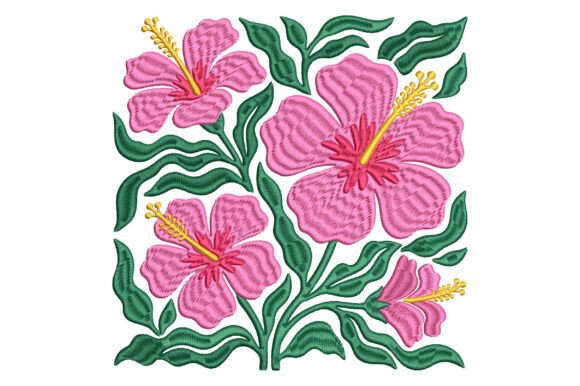
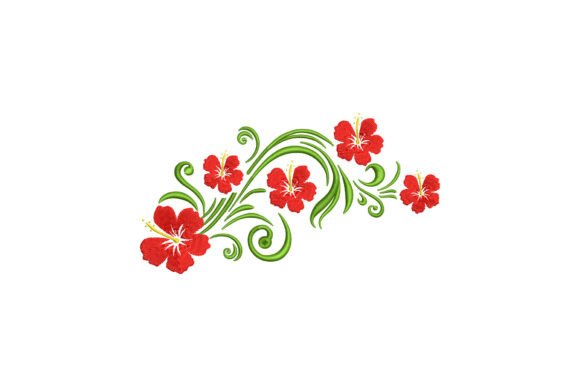
As I prepare my inventory for the upcoming weekend craft fair, I am constantly evaluating which machine embroidery design will translate best from a digital screen to a tangible, sellable product. This week, I am reviewing the Hibiscus Flowers design. The description promises a subtle touch of charm and creativity, specifically noting its suitability for T-shirts, towels, and pillows. As an experienced embroidery designer and boutique maker, I need to know if this floral garden motif can withstand the scrutiny of in-person shoppers and the practical demands of batch production. My goal is to determine if this specific embroidery file deserves prime real estate on my booth table or if it should remain a digital-only asset.
First Impressions and Market Positioning
Upon loading the Hibiscus Flowers design into my software, the first impression is one of versatile elegance. Unlike aggressive tropical prints that scream "beach vacation," this interpretation feels softer and more refined. It strikes a balance between modern botanical illustration and classic needlework. For an Etsy seller or small shop product creator, this subtlety is a major selling point. It does not alienate customers who find traditional florals too fussy or rustic styles too plain. Instead, it offers a premium aesthetic that suggests high-quality handmade craftsmanship rather than mass-produced commercial embroidery.
The visual weight of the design appears balanced. It is detailed enough to be interesting when viewed up close at a market stall but retains enough negative space to prevent the fabric from becoming stiff or bulletproof. This is crucial for items like tea towel embroidery or apron embroidery, where drape and texture matter just as much as the visual appeal. The design reads clearly as a hibiscus without relying on heavy fill stitches that could distort lightweight fabrics.
Product Application and Booth Display Strategy
When planning a craft fair product lineup, versatility reduces risk. I have evaluated how Hibiscus Flowers performs across various substrates essential for a profitable booth display:
- Tote Bag Design: This is likely the strongest application. The organic shape of the hibiscus complements the natural canvas grain. Placing the design slightly off-center creates a modern, artistic look that appeals to younger demographics browsing handmade markets.
- Tea Towel Embroidery: Flour sack towels are a staple for any embroidery business owner. Because the design is described as having a subtle charm, it works beautifully as a corner accent or a centered motif. It elevates a basic utility item into a giftable handmade product.
- Pillow Covers: Home decor buyers often seek coordinating sets. This floral garden theme allows for easy mixing and matching. Stitching this on linen or cotton duck fabric adds perceived value, allowing for a higher price point than synthetic blends.
- Apparel and Caps: While suitable for T-shirts, I advise caution with caps. Unless the hoop size and digitizing specifically account for curved surfaces, floral petals can gap on structured hats. Stick to flat garments or unstructured dad hats for safer results.
- Embroidered Patch: If you produce patches, this design’s distinct outline makes it an excellent candidate. However, ensure the satin stitch border is wide enough to cover the raw edge cleanly after cutting.
Production Practicality for Batch Manufacturing
For creative entrepreneurs, time is money. A beautiful design is useless if it takes three hours to stitch or requires constant supervision. Hibiscus Flowers appears optimized for efficient production. The transition points between colors seem logical, minimizing trim jumps and reducing the time spent cleaning up thread tails. This efficiency is vital when fulfilling custom orders or restocking bestsellers before a busy market season.
Photographing finished products for online listings is another consideration. The open nature of the design prevents moiré effects in photos, which often plague dense floral patterns. This means your printable mockup and actual product photos will accurately represent the stitch quality. Consistency between digital assets and the physical item builds trust with remote buyers and reinforces brand integrity for repeat customers.
Critical Technical Considerations and Careful Use Notes
Despite its charm, no machine embroidery design is foolproof. Based on my review, here are specific technical cautions for stitching Hibiscus Flowers:
- Fabric Texture Compatibility: While perfect for smooth cottons and linens, highly textured terry cloth towels may cause detail loss. If stitching on plush towels, use a water-soluble topping to keep the stitches crisp and visible.
- Stitch Density Management: Check the density settings before running a full production batch. If the petals are overly dense, they may cause puckering on lightweight T-shirt knits. Conversely, if too sparse, the fabric grain might show through unpleasantly.
- Small Size Clarity: The description mentions versatility, but resizing florals downward is risky. Petal tips and stamens can turn into thread blobs below 4 inches. Always verify clarity at your intended size before committing to a run of small pouches or baby bibs.
- Thread Color Selection: Avoid using variegated threads for the main flower body unless tested first. Variegation can create muddy color pooling in petal shapes. Solid, high-sheen rayon or matte cotton threads usually render this style of floral garden design more professionally.
- Dark Fabric Contrast: On dark backgrounds, ensure the design includes adequate underlay. Without proper white or gray underlay, the vibrant hibiscus colors may sink into the dark fabric, losing their luminosity and impact.
Designer Notes for Commercial Success
Before listing this as a new craft fair product or adding it to your Etsy shop, treat it with professional rigor. Never assume a digital embroidery file is ready-to-run straight out of the box. Every machine and fabric combination behaves differently.
I strongly recommend stitching out a test sample on scrap fabric that matches your intended finished product. Inspect the registration between color blocks. Are there gaps between the outline and the fill? Is the stabilizer sufficient to prevent distortion? Create at least one real mockup to photograph alongside your digital previews. This confirms that the design assets align with customer expectations.
Furthermore, verify all licensing terms. Ensure you have the right to sell the finished product commercially, especially if you plan to scale beyond local markets. Confirm the recommended hoop size and do not attempt to squeeze the design into a smaller hoop by shrinking it excessively; this alters stitch density and compromises quality.
Finally, consider the narrative. When selling Hibiscus Flowers at a booth, tell the story of the design. Explain why you chose specific thread colors or how the subtle charm complements a farmhouse or coastal kitchen. Customers buy the maker's expertise as much as the item itself. By validating the technical quality and understanding the market positioning of this design, you transform a simple embroidery file into a reliable revenue stream for your handmade business. Whether used for a signature tote bag design or a delicate pillow accent, Hibiscus Flowers has the potential to be a standout performer in your floral garden collection, provided it is executed with the attention to detail that discerning craft fair shoppers demand.