Line Art Floral Bouquet in Hand: A Designer’s Review
When evaluating a new machine embroidery design for my studio, I look beyond the digital preview. As a designer who creates both custom client work and products for my own shop, I need to know how a file translates from screen to fabric. The Line Art Floral Bouquet in Hand immediately caught my attention as a potential staple for modern botanical projects. It sits squarely within the Single Flowers Plants category but offers a narrative element that standalone florals often lack. This review breaks down my practical assessment of this design, focusing on stitch performance, fabric compatibility, and commercial viability for fellow makers and business owners.
First Impressions and Artistic Mood
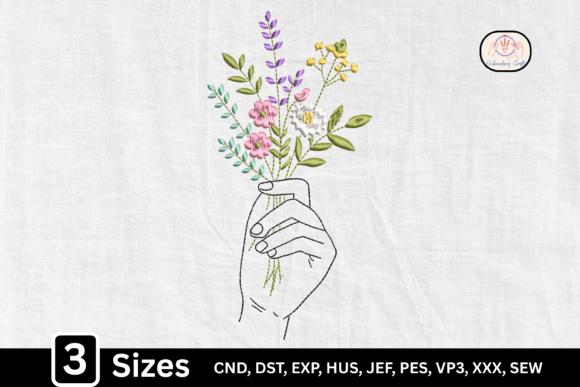
My initial reaction to the Line Art Floral Bouquet in Hand was one of appreciation for its minimalist aesthetic. In an industry often saturated with dense, complex fills, this design breathes. The concept of a hand gently holding flowers evokes care, nurturing, and organic beauty. For an Etsy seller or boutique owner, this imagery communicates a specific emotional value that resonates with customers seeking meaningful, personalized items.
Visually, the line art style suggests a reliance on precise running stitch or narrow satin stitch columns rather than heavy fill areas. This is crucial for maintaining the delicate nature of the artwork. If the digitizing is too heavy, the "hand" can look like a mitten rather than an elegant gesture. From what I can observe, the layout is vertical and balanced, making it naturally suited for center-chest placement on apparel or centered positioning on home goods. It feels less like a generic clip-art flower and more like a deliberate illustration, which elevates the perceived value of any finished product.
Real-World Application: The Linen Tote Test
To truly judge this embroidery file, I mentally placed it in a current project scenario: creating a premium linen tote bag for a bridal party gift. Tote bags are a classic canvas for tote bag design, but they present unique challenges due to the weave of natural linen and the weight of the bag itself.
In this context, the Line Art Floral Bouquet in Hand serves as an excellent focal point without overwhelming the utility of the bag. Because line art typically has lower stitch density, it prevents the linen from puckering—a common issue when embroidering large floral designs on unstructured fabrics. For a personalized gift, this design allows space for adding a monogram or date below the hand without cluttering the composition. The open nature of the design means the texture of the linen remains visible through the stitches, preserving the rustic, handmade feel that brides often desire. However, because linen is textured, I would advise using a slightly heavier thread weight or ensuring the running stitches are long enough to bridge the fabric weave gaps, preventing the design from getting lost in the textile grain.
Fabric Compatibility and Technical Considerations
Not every embroidery project suits every design. While this floral bouquet is versatile, its line art nature dictates specific fabric choices. Here is my professional breakdown of where this design thrives and where caution is needed:
- Ideal Fabrics: Cotton, linen, denim, canvas, and stable knits. These provide a smooth surface for fine lines to register clearly.
- Challenging Fabrics: High-pile towels, plush fleece, or heavily textured waffle weaves. Fine line art can sink into these textures, making the hand and flowers indistinguishable. If you must use this on a tea towel, consider a water-soluble topper to keep stitches on the surface.
- Stretchy Materials: For sweatshirt embroidery or baby onesies, proper stabilization is non-negotiable. Line art does not forgive distortion. If the hoop shifts even a millimeter, the continuous lines will break visually. Use a high-quality cut-away stabilizer and ensure the fabric is taut but not stretched out of shape during hooping.
- Dark vs. Light Fabrics: Line art relies entirely on contrast. On dark fabrics, ensure your thread colors are opaque and bright. Pastel threads on navy fabric may require multiple passes or a thicker thread to achieve the same visual impact as on white cotton.
Commercial Viability for Makers and Sellers
For those running a craft business or selling digital embroidery files, versatility equals profitability. The Line Art Floral Bouquet in Hand scores high marks here because it transcends seasonal trends. Unlike holiday-specific motifs, this botanical theme works year-round.
I can envision this design functioning effectively across multiple product categories. It is appropriate for baby embroidery on nursery blankets, yet sophisticated enough for adult custom apparel. For small shop product lines, this design supports brand consistency; it pairs well with other minimalist botanicals to create a cohesive collection. When creating printable mockups for online listings, the clean lines photograph beautifully and scale well in thumbnails, which is essential for click-through rates on platforms like Etsy.
However, a note on licensing: Always verify the terms included with your digital embroidery file. While the design is perfect for selling physical handmade products, some designers restrict the resale of the digital file itself or limit production quantities. Confirm these details before listing items to protect your business integrity.
Critical Pre-Stitch Checklist
Before committing this design to a final product or adding it to your commercial catalog, run through this practical checklist. These steps save time, thread, and customer trust.
- Verify Hoop Size: Check the actual dimensions of the file against your machine’s capabilities. Line art often looks deceptively small on screen but may exceed standard 4x4 hoop limits due to the vertical span of the hand and bouquet.
- Test Stitch on Scrap: Never skip this step. Test on the exact fabric and stabilizer combination you intend to use. Inspect the registration points where the hand meets the flowers. Are there gaps? Is the outline aligned?
- Check Thread Contrast: Print a black-and-white version of the design or view it in grayscale on your software. If the design disappears, your thread-to-fabric contrast is insufficient. Adjust thread colors accordingly.
- Evaluate Washability: If making commercial embroidery items like aprons or kitchen towels that face frequent laundering, test wash your sample. Fine running stitches can sometimes pull or fray over time. You may need to adjust tension or add a sealant if the item is for heavy-duty use.
- Mockup Validation: Create a digital mockup on both light and dark backgrounds. Does the design retain its elegance at thumbnail size? If the fingers or stems vanish when scaled down, consider offering a simplified version for smaller applications like pocket logos or embroidered patches.
Final Designer Verdict
The Line Art Floral Bouquet in Hand is a thoughtful addition to any embroiderer's library. It balances artistic sensitivity with technical accessibility, making it suitable for both hobbyists exploring minimalist styles and professionals expanding their design assets. Its strength lies in its emotional resonance and adaptability across mediums, from holiday embroidery gifts to everyday fashion.
Success with this design depends on respecting its delicate nature. Treat it as a drawing rendered in thread rather than a patch to be stamped onto fabric. Pay attention to stabilization, contrast, and fabric texture, and this design will yield results that look intentional, professional, and genuinely handmade. Whether you are stitching a single personalized gift or building a seasonal collection, this floral bouquet offers the timeless appeal that keeps customers returning for quality craftsmanship.