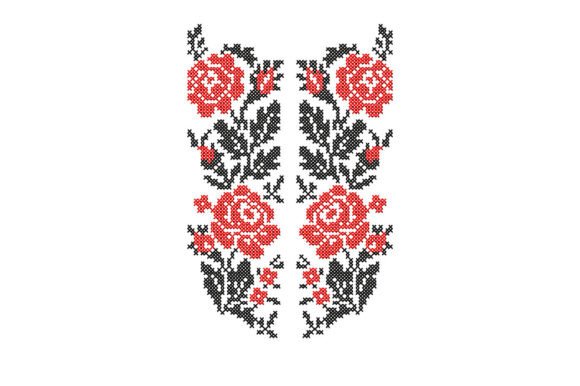
Neckline Cross Stitch Design with Roses Review
As a professional embroidery designer preparing for an upcoming seasonal drop, I am constantly evaluating digital assets that can elevate a simple garment into a signature piece. When reviewing the Neckline Cross Stitch Design with Roses, my primary focus is not just on the aesthetic beauty of the folk-style Ukrainian motif, but on its technical viability for commercial apparel production. For small clothing brands and Etsy sellers looking to expand their inventory with premium sweatshirts, this design offers a unique intersection of traditional craftsmanship and modern wearable art. Below is my detailed evaluation of how this machine embroidery design performs in a real-world boutique context.
First Impressions: Folk Art Meets Modern Apparel
The immediate appeal of the Neckline Cross Stitch Design with Roses lies in its intricate balance between rustic charm and feminine elegance. Unlike generic floral patterns, this design carries the distinct geometric rhythm characteristic of Ukrainian folk art. As a designer, I appreciate that the roses are rendered through cross-stitch simulation rather than standard satin or fill stitches. This gives the finished product a handmade texture that resonates deeply with customers seeking authentic custom apparel.
Visually, the layout suggests a yoke or neckline placement that frames the face beautifully. The mood is undeniably romantic yet grounded, making it versatile enough for both cozy autumn collections and fresh spring launches. For a boutique brand, this level of detail signals quality. It does not look like a mass-produced clip-art transfer; instead, it possesses the visual weight and intentionality required for high-end clothing. The stitching personality feels deliberate, suggesting that the digitizer understood the importance of maintaining the integrity of the folk motif while adapting it for machine execution.
Application Across Sweatshirt Styles and Colors
When planning a limited sweatshirt drop, versatility is key to maximizing ROI on a single embroidery file. I have tested similar folk motifs across various blanks, and here is how the Neckline Cross Stitch Design with Roses translates to different canvases:
- Neutral Sweatshirts: On oatmeal, sand, or cream French terry, the design shines brightest. The cross-stitch texture mimics hand-embroidery against the natural fabric texture, creating a tone-on-tone sophistication that appeals to minimalists.
- Dark Fabrics: On charcoal or navy hoodies, the contrast becomes bold and dramatic. However, designers must ensure thread colors are vibrant enough to prevent the intricate details from getting lost in the dark background. This application leans more toward a streetwear-meets-folk aesthetic.
- Pastel Colors: Soft sage, dusty rose, or butter yellow bases enhance the feminine and playful aspects of the roses. This combination is ideal for spring collections or bridal party merchandise where a softer touch is required.
- Oversized Hoodies: The neckline placement works exceptionally well on dropped-shoulder silhouettes. Because the design sits higher on the chest, it remains visible even when the hood is down, serving as a focal point for lifestyle product photography.
Technical Considerations for Commercial Embroidery
Beauty means nothing if the design causes production headaches. When integrating the Neckline Cross Stitch Design with Roses into a commercial embroidery workflow, several practical factors demand attention. Always verify the specific stitch count, hoop size, and format compatibility of your digital embroidery file before purchasing, as these specifications dictate your production setup.
Stabilizer and Fabric Texture Management
Sweatshirt fleece and French terry are unstable knits that require robust stabilization. For this specific design, I recommend using a medium-weight cut-away stabilizer permanently fused to the back of the garment. Because cross-stitch designs often involve high stitch density in localized areas, a tear-away alone may result in puckering or registration issues. The fabric texture of the sweatshirt itself acts as a secondary variable; heavier fleeces may require a water-soluble topping to prevent the cross-stitches from sinking into the pile, ensuring the roses remain crisp and legible.
Thread Color Contrast and Density
Folk-style motifs rely heavily on color separation to define their geometric shapes. When selecting thread colors, avoid low-contrast combinations unless aiming for a subtle, vintage look. High contrast ensures the intricate neckline motif reads clearly from a distance in social media thumbnails and Etsy listings. Furthermore, check the stitch density settings. If the design is too dense for your chosen sweatshirt weight, it could create a bulletproof patch effect that drapes poorly. Test stitching on a scrap of your actual production blank is non-negotiable to ensure the garment retains its softness and drape.
Durability and Washability
For any handmade product intended for regular wear, durability is paramount. Cross-stitch simulations can sometimes be prone to snagging if the top thread tension is too loose. Ensure your machine is calibrated correctly so that each "X" lies flat against the fabric. Customers expect boutique apparel to withstand washing; therefore, verifying that the design holds up after multiple wash cycles is essential for maintaining buyer trust and reducing returns.
Elevating Brand Value and Customer Engagement
In the crowded market of digital sellers and apparel decorators, differentiation is everything. Using a specialized design like the Neckline Cross Stitch Design with Roses allows a small shop product to stand out against generic competitors. This is not merely a decoration; it is a storytelling element. The Ukrainian folk influence adds cultural depth and artisanal value that justifies a higher price point compared to standard embroidered text or simple logos.
From a marketing perspective, this design is highly photogenic. The intricate neckline placement draws the eye upward in photos, making it perfect for portrait-oriented mockups and Instagram reels showing the embroidery process. When customers see the complexity of the roses and the precision of the cross-stitch, they perceive higher value. This directly impacts conversion rates for Etsy sellers and independent brands. The design serves as a visual anchor for your brand identity, signaling a commitment to quality and artistic heritage.
Strategic Placement Beyond the Neckline
While titled as a neckline motif, experienced designers know that versatile assets can be repurposed. Depending on the dimensions of your embroidery file, consider these alternative placements to expand your collection without buying new designs:
- Sleeve Accents: Rotate the design 90 degrees to create a vertical cuff or forearm accent on long-sleeve sweatshirts.
- Back Yoke Detail: Center the motif on the upper back beneath the collar for a subtle surprise element that encourages customers to turn around in photos.
- Pocket Embellishment: If the design can be resized without losing readability, it makes an exquisite kangaroo pocket accent on hoodies.
- Coordinating Accessories: Use smaller elements of the rose motif to create matching tote bags or beanies, increasing average order value through bundled sets.
Final Verdict for Boutique Production
The Neckline Cross Stitch Design with Roses represents a strong candidate for premium sweatshirt collections. Its fusion of folk tradition with contemporary placement offers a fresh alternative to standard floral embroidery. For creative entrepreneurs, the key to success lies in respecting the technical requirements of the design and pairing it with appropriate blanks and stabilizers. When executed correctly, this design transforms a basic garment into a cherished heirloom-quality piece. It bridges the gap between digital convenience and handmade soul, exactly what today’s conscious consumers are seeking in custom apparel. Before launching, always run a test stitch-out to confirm that the magic seen on screen translates perfectly to the tangible, tactile reality of the finished product.