Rabbit in Flowers: A Designer’s Review for Gifts
As an embroidery designer who has stitched thousands of custom orders for Etsy shops and personal gifts, I am always on the lookout for designs that balance aesthetic beauty with technical reliability. When browsing Creative Fabrica embroidery collections, the Rabbit in Flowers machine embroidery design immediately caught my eye. It promises a subtle touch of charm and creativity, specifically noting its suitability for T-shirts, towels, and pillows. In the world of personalized gifts, this specific combination of flora and fauna is a timeless seller, but only if the digitization holds up under real-world production conditions. Here is my professional assessment of how this design performs for handmade product creators and gift makers.
First Impressions: Emotional Appeal and Visual Softness
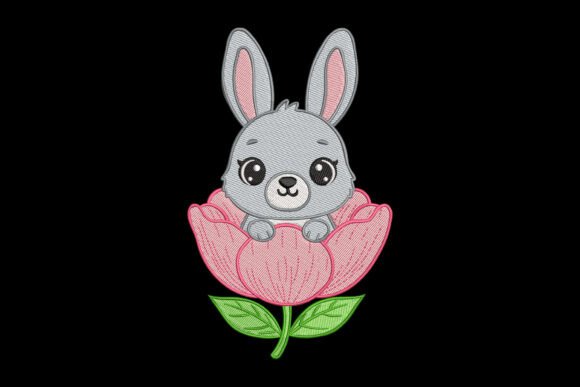
The initial impact of Rabbit in Flowers is undeniably sweet without being overly juvenile. For those of us creating commercial embroidery or high-end baby embroidery, avoiding designs that look "cheap" or cartoonish is vital. This design leans into a classic, storybook aesthetic. The interplay between the animal motif and the botanical elements creates a sense of movement and softness that translates beautifully to fabric.
From a sales perspective, this visual softness is a major asset. Whether you are listing an embroidered towel in your shop or presenting a custom pillow cover as a wedding gift, the design evokes feelings of comfort, nostalgia, and care. It fits perfectly into current trends for nursery decor and cottage-core home styling. Unlike harsh, graphic-heavy animal designs, Rabbit in Flowers feels organic. This emotional resonance is often what converts a browser into a buyer on platforms like Etsy, where customers are seeking meaningful connection through handmade products.
Ideal Applications for Personalized Gifts and Shop Products
Versatility is key when investing in a digital embroidery file. You need a design that can work across multiple product categories to maximize your return. Based on the description and visual style, here is how I envision utilizing Rabbit in Flowers for various client requests:
- Baby Embroidery and Nursery Decor: This is the primary use case. The gentle nature of the rabbit makes it perfect for blanket embroidery, onesies, and bibs. It serves as an excellent gender-neutral option when stitched in sage greens, warm taupes, or soft creams.
- Wedding Gift Keepsakes: Moving beyond baby items, this design works elegantly on linen guest towels or ring bearer pillows. When paired with sophisticated script font, the flowers add a romantic, vintage feel appropriate for bridal showers and anniversaries.
- Custom Home Decor: For small shop products, throw pillows and tote bags featuring this design sell well at craft fairs. The floral elements allow you to coordinate thread colors with seasonal palettes, making it a year-round seller rather than just a spring item.
- Apparel Customization: Since the product description highlights T-shirts, this design likely scales well for wearables. It adds a unique, boutique-style detail to plain tees or aprons that mass-produced clothing cannot replicate.
Technical Considerations: Stitch Density and Fabric Texture
A beautiful image on screen does not always guarantee a clean stitch-out. As experienced embroiderers know, the transition from digital file to finished product depends heavily on technical execution. When working with Rabbit in Flowers, there are several practical concerns to address before running a production batch.
Managing Detail on Textured Surfaces
The product description mentions towels, which presents a unique challenge. Terry cloth and textured fabrics can swallow fine details. If the flowers in this design utilize delicate satin stitches or thin running stitches, they may get lost in the pile of a thick towel. I strongly recommend using a water-soluble topping stabilizer to keep the stitches crisp and visible. Always perform a test stitch-out on a scrap piece of the exact fabric texture you intend to use. This step saves time, thread, and prevents ruined merchandise.
Stretchy Fabrics and Stabilizer Choice
For T-shirts and baby clothes, fabric stability is paramount. Knits stretch, and if your stabilizer choice is inadequate, the Rabbit in Flowers design will pucker or distort after washing. A high-quality cut-away stabilizer is usually necessary for apparel to maintain the integrity of the embroidery over the garment's lifespan. Check the stitch density of the file; if it is too dense for lightweight jersey knits, you may need to adjust settings or choose a lighter weight shirt to prevent the fabric from becoming stiff and unwearable.
Thread Colors and Contrast
The charm of this design lies in its subtlety. However, subtlety requires careful thread selection. On dark fabrics, ensure there is enough contrast so the floral details remain distinct. Conversely, on white fabrics, avoid using pure white thread for the rabbit unless you want a tone-on-tone shadow effect. Variegated threads can add stunning depth to the flower petals, enhancing the handmade quality of the final piece. Always compare physical thread colors against each other before stitching, as screen colors can be deceptive.
Building Customer Trust Through Quality Presentation
For Etsy sellers and small business owners, the perceived quality of your embroidery directly impacts your pricing power and customer trust. A design like Rabbit in Flowers allows you to showcase superior craftsmanship because of its intricate yet balanced composition.
When photographing your finished product, focus on the texture of the stitches within the flowers and the definition of the rabbit. Natural lighting helps convey the softness mentioned in the design description. High-quality photos of actual stitch-outs build far more confidence than generic digital mockups alone. However, using a printable mockup alongside your real photos can help customers visualize color variations or placement options before they commit to a purchase.
Furthermore, consistency builds trust. By mastering the hooping and stabilization techniques specific to this design, you ensure that every embroidered towel or pillow cover leaving your studio meets the same high standard. Customers return to shops where they know the embroidery will wash well and look professional. Taking the extra time to perfect your technique with Rabbit in Flowers pays dividends in repeat business and positive reviews.
Essential Pre-Stitch Checklist for Success
Before you load this embroidery file into your machine for a paid order, run through this practical checklist to ensure professional results:
- Verify Licensing: Always review the specific license terms on Creative Fabrica for this design. Confirm whether you have the rights to sell finished physical products or if there are limitations on mass production.
- Check Hoop Size Compatibility: Ensure the design dimensions fit comfortably within your hoop size with adequate clearance. Never force a design to fit by resizing excessively, as this alters stitch density and coverage.
- Review File Formats: Confirm the download includes the specific format required by your machine brand to avoid conversion errors that could corrupt small details.
- Conduct a Test Stitch-Out: Never skip this step for a new design. Inspect the registration of the flowers against the rabbit body and check for any jump stitches that require trimming.
- Evaluate Wash Durability: If selling baby items or towels, wash and dry your test sample to ensure the stabilizer was sufficient and the design remains intact after laundering.
Rabbit in Flowers represents a wonderful opportunity for embroiderers to create meaningful, marketable goods. Its blend of whimsy and elegance makes it a staple for anyone serious about personalized gifts. By approaching this design with technical mindfulness and artistic intention, you can transform a simple digital file into a cherished keepsake that delights clients and strengthens your handmade brand. Remember, the value of machine embroidery lies not just in the design itself, but in the skilled hands that bring it to life on fabric.