Spring Gardening Basket Embroidery File Review
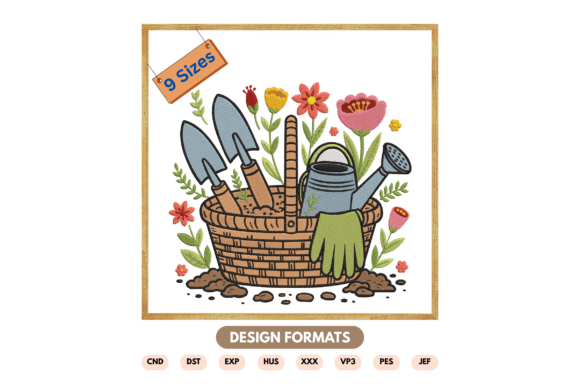
As a professional embroidery designer who spends more time behind the machine than at a computer, I approach every new machine embroidery design with a healthy dose of skepticism. We have all downloaded files that look perfect on screen but turn into thread nests or distorted shapes once stitched out. When evaluating the Spring Gardening Basket Embroidery File, my primary focus was not just its aesthetic charm, but its structural integrity for real-world production. This design, featuring a woven basket overflowing with trowels, a watering can, gloves, and blooms, falls into the Bouquets Bunches category, but it functions more like a complex scene. For Etsy sellers, craft business owners, and makers planning their spring inventory, understanding how this file behaves under the needle is crucial before committing it to a finished product.
First Impressions and Visual Hierarchy
My initial assessment of the Spring Gardening Basket Embroidery File focused on visual balance. In digital previews, gardening motifs can sometimes appear cluttered because of the varying textures involved—woven wicker, smooth metal tools, and organic floral shapes. However, this design demonstrates a thoughtful layout. The basket acts as a solid visual anchor, likely utilizing a dense fill stitch or textured pattern to ground the composition. The surrounding flowers and tools are arranged to lead the eye naturally rather than competing for attention.
For those creating custom apparel or home decor, this hierarchy matters. A well-balanced design ensures that the embroidered patch or chest logo reads clearly from a distance. If you are selling digital embroidery file assets or using this for printable mockup listings, the distinct separation between the basket weave and the delicate petals will translate better in photography. The mood is undeniably cheerful and rustic, making it an immediate candidate for cottage-core aesthetics, garden club merchandise, or springtime personalized gift items.
Real-World Application: Stitching Out a Canvas Tote
To truly judge the viability of this embroidery project, I mentally walked through stitching it onto a medium-weight canvas tote bag design. Totes are a staple for small shop product lines during spring, but they present specific challenges due to fabric texture and lack of stretch.
In this scenario, the Spring Gardening Basket Embroidery File would require careful stabilization. Because the design includes both heavy elements (the basket and watering can) and lighter details (flower stems), using a cut-away stabilizer is non-negotiable to prevent puckering. I envision the basket portion utilizing a textured fill to mimic wicker, which adds dimension but also increases stitch density. As a reviewer, I appreciate when designers account for this by keeping adjacent areas lighter. If the entire design were equally dense, the tote bag fabric would become stiff and unappealing.
For commercial embroidery purposes, such as fulfilling a bulk order for a local nursery or landscaping company, this design offers excellent branding potential. It feels professional yet handmade. However, I would advise testing the thread colors against natural canvas first. Earthy greens and terracottas often shift tone on unbleached cotton. Ensuring high contrast between the basket outline and the background fabric is essential for the design to pop in outdoor market lighting.
Navigating Fabric Limitations and Hoop Constraints
While the Spring Gardening Basket Embroidery File shines on stable fabrics, it demands caution elsewhere. As someone who frequently works with diverse materials, I must highlight where this design might struggle.
- Stretchy Knits and Sweatshirts: If you plan to use this for sweatshirt embroidery, be aware that intricate basket weaves and small floral details can distort on fleece or french terry. You must use a fusible backing and potentially a topping to keep the stitches from sinking into the pile. Test on scrap fabric first to ensure the satin stitch borders on the gloves or petals remain crisp.
- Sheer or Lightweight Fabrics: For baby embroidery or delicate tea towels, verify the total stitch count. A design with this level of detail may be too heavy for lightweight linen or batiste, causing drag or tearing. Always check the specifications of your specific embroidery file version before hooping thin material.
- Curved Surfaces: Avoid placing this centered design on curved cap fronts unless you have verified a specific cap-compatible version. The horizontal line of the basket rim will almost certainly warp on a curved visor, ruining the professional finish.
- Small Hoop Sizes: Detailed gardening scenes lose clarity when scaled down significantly. If your hoop size forces you to reduce the design below 60% of its original size, tiny elements like tool handles or flower centers may merge. In such cases, consider if this design is appropriate for the intended application.
Commercial Viability and Product Value
For creative entrepreneurs and handmade product sellers, the Spring Gardening Basket Embroidery File represents a strong asset for seasonal revenue. Designs in the Bouquets Bunches category are evergreen, but the addition of functional gardening tools gives this specific file a unique narrative hook. It appeals to active gardeners, not just flower enthusiasts.
This distinction increases perceived value. A generic flower bouquet is common; a detailed gardening scene suggests specialized interest. When listing design assets or finished goods, emphasize the specific elements—the trowels, the gloves—to capture niche search traffic. For holiday embroidery leading into Mother’s Day or Easter, this design bridges the gap between religious/traditional motifs and secular seasonal decor, widening your potential customer base.
However, professionalism hinges on execution. Customers trust sellers who deliver clean, durable embroidery. If the running stitch outlines are misaligned or the fill stitches gap due to improper tension, the item looks cheap regardless of the design's quality. Always inspect your test stitch-out for registration issues before listing any custom apparel or accessories for sale.
Essential Designer Notes for Success
Before you load the Spring Gardening Basket Embroidery File into your machine for a client project or personal make, adhere to these practical checkpoints:
- Verify Specifications: Since exact stitch counts, dimensions, and format compatibility vary by vendor, always confirm these details match your machine’s capabilities. Do not assume standard sizing.
- Contrast Testing: Create a black and white mockup or grayscale stitch-out to evaluate value contrast. If the basket disappears against the fabric without color differentiation, adjust your thread palette.
- Stabilizer Strategy: Match your stabilizer to the fabric weight and design density. For this multi-element scene, err on the side of heavier support to maintain shape integrity.
- Licensing Check: Before selling finished items or incorporating this into digital product bundles, review the license terms. Ensure you have commercial rights for your specific business model.
- Detail Inspection: Zoom in on the digital file to check for stray nodes or overlapping stitches that could cause breaks. Clean up minor digitizing artifacts before stitching on expensive blanks.
The Spring Gardening Basket Embroidery File is a delightful, versatile option for spring collections, provided it is treated with technical respect. Its blend of utility and beauty makes it a standout choice for makers willing to do the necessary prep work. By understanding its behavior across different fabrics and applications, you can transform this digital file into tangible, high-quality products that resonate with customers and withstand the test of time.