The Letter C is Feathered and Leafy: A Designer Review
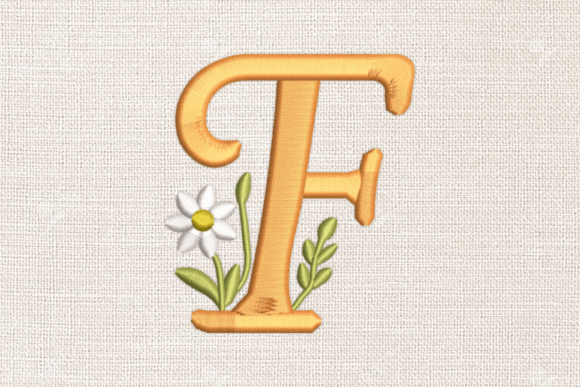
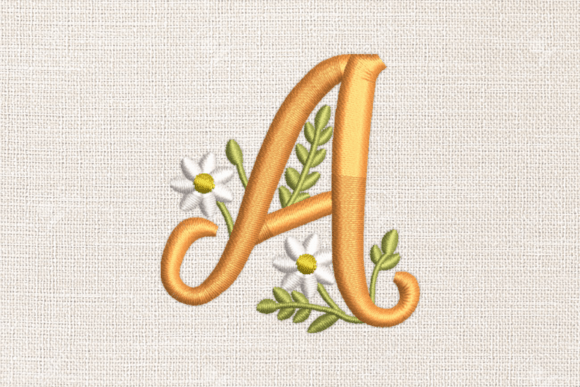
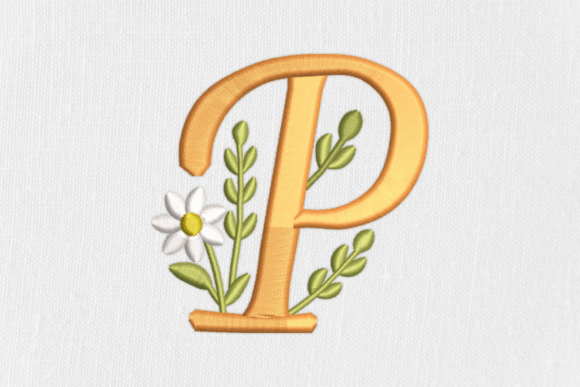
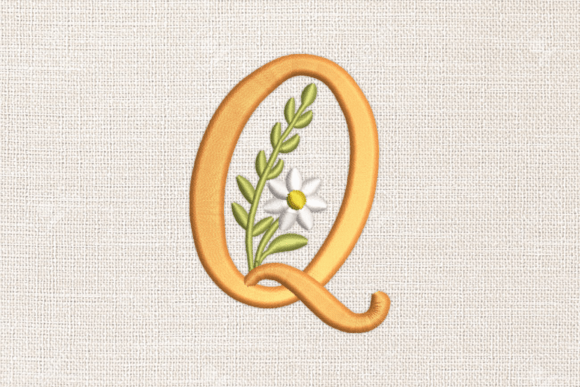
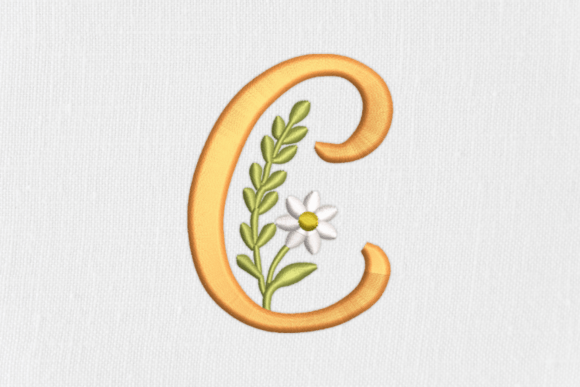
As I prepare my booth inventory for the upcoming weekend craft fair, every machine embroidery design must earn its place on the table. Space is limited, and customer attention spans are even shorter. When evaluating The Letter C is Feathered and Leafy for my next production run, I am looking at more than just a pretty digitized file; I am assessing a potential bestseller. This specific stylized monogram, featuring white flowers and green leaves, strikes a distinct balance between organic softness and structural clarity. For fellow Etsy sellers, boutique makers, and creative entrepreneurs, understanding how this design translates from screen to fabric is the difference between dead stock and sold-out signage.
First Impressions: Organic Elegance Meets Market Appeal
My immediate reaction to The Letter C is Feathered and Leafy is that it reads as "refined rustic." It avoids the overly cutesy aesthetic that can sometimes alienate buyers looking for sophisticated home goods, yet it remains approachable enough for personalized gifts. The combination of white floral elements with green foliage against the letterform creates a natural contrast that feels premium. In the context of Work and commercial application, this design possesses a versatility that purely ornate or strictly modern fonts often lack. It suggests a handmade quality that justifies a higher price point at a market stall. The feathered edges imply texture, while the leafy accents provide color variation without requiring excessive thread changes, which is a crucial consideration for batch production efficiency.
Top Performing Products for Craft Fair Success
Not every embroidery file works universally across all blanks. Based on the visual weight and botanical theme of The Letter C is Feathered and Leafy, I have identified specific products where this design will likely generate the highest return on investment for small shop owners.
- Tea Towel Embroidery: This is arguably the strongest candidate. The botanical motif aligns perfectly with kitchen aesthetics. White flowers and green leaves pop beautifully on unbleached linen or flour sack cotton. As a craft fair product, tea towels are an accessible entry-point purchase, and this design elevates them beyond generic dish rags to giftable keepsakes.
- Tote Bag Design: Market-goers love functional art. Placing this stylized C centrally on a natural canvas tote creates a focal point that is visible from a distance. The organic shapes complement the casual nature of canvas, making it an ideal handmade product for farmers' markets or boutique pop-ups.
- Apron Embroidery: For customers who enjoy cooking or gardening, this design adds a touch of feminine strength to utility wear. Positioned over the heart or centered on the bib, the floral details soften the utilitarian look of denim or twill aprons.
- Embroidered Patches: If you have excess scrap fabric, converting The Letter C is Feathered and Leafy into patches is a smart way to maximize profit margins. These can be sold as add-ons or used to customize plain caps and pouches on-site, adding interactive value to your booth display.
Production Practicalities and Booth Display Strategy
When preparing for a high-volume event, practicality dictates profitability. The Letter C is Feathered and Leafy appears to be designed with production in mind, but there are nuances to consider. The integration of white flowers means this design relies heavily on negative space or dark/medium fabric backgrounds to be visible. On white fabric, the white thread work must rely on texture and shadow rather than color contrast. For my booth display, I would stitch samples on sage green, navy, and terracotta fabrics to ensure the white florals remain the hero element.
From a sales perspective, this design photographs exceptionally well for online listings. The intricate details of the leaves and petals create visual interest in thumbnail images, which is vital for digital sellers. However, for physical sales, the design needs to be sized correctly. Too small, and the feathering gets lost; too large, and it overwhelms smaller items like pouches. I recommend creating a tiered sizing strategy: a full-size version for totes and pillows, and a scaled-down accent version for cuffs and pockets. This repeatability allows for efficient hooping and consistent branding across different price points.
Critical Technical Considerations for Makers
Before loading this digital embroidery file into your machine for a production run, you must evaluate the technical constraints. Botanical designs with fine details require careful handling to maintain professional quality.
- Fabric Texture Compatibility: The "feathered" aspect of the letter suggests satin stitches or specialized fill patterns. Avoid highly textured terry cloth or loose-weave burlap unless using a heavy water-soluble topping. The delicate flower petals can sink into thick piles, ruining the definition. Smooth cottons, linens, and tight-weave canvases are safer bets for preserving detail.
- Stitch Density Management: Floral fills can become bulletproof if not digitized with underlay optimization. Test the stitch density on scrap fabric first. If the design distorts the fabric or causes puckering, adjust your stabilizer choice. A medium-weight cutaway is generally superior to tear-away for designs with organic curves and varying stitch directions.
- Thread Color Verification: While the description specifies white flowers and green leaves, "green" is subjective. Ensure your chosen thread tone matches the mood of your blank goods. A bright kelly green might look cheap on antique linen, whereas a muted olive or moss green enhances the vintage appeal. Always verify thread colors against your specific fabric inventory before mass production.
- Hoop Size and Placement: Confirm the exact dimensions of the embroidery file. Stylized letters often have irregular bounding boxes. Measure your usable hoop area carefully to avoid hitting the frame during stitching, especially if resizing. Never assume a 4x4 hoop accommodates a 4-inch tall letter if the width exceeds the limit due to extending foliage.
Maximizing Value Through Professional Presentation
The perceived value of The Letter C is Feathered and Leafy depends entirely on execution. A sloppy registration line between the white petals and green stems will immediately signal "amateur" to discerning buyers. To protect your brand reputation, treat every finished item as a portfolio piece. Use high-quality stabilizer appropriate for the substrate, and press every item professionally before display. Wrinkled embroidery devalues the artistry regardless of the design quality.
For digital sellers offering this as part of their design assets, providing accurate printable mockup templates is essential. Buyers need to visualize how the white-on-green contrast looks on real products, not just flat vectors. Show the design on curved surfaces like mugs or caps to demonstrate its adaptability. Furthermore, always clarify licensing. If you are selling finished goods, ensure you have the right to use the design commercially. If you are selling the file, clearly state whether end-users can sell physical products made from it. Transparency builds trust in the maker community.
Final Verdict for Creative Entrepreneurs
The Letter C is Feathered and Leafy is a robust contender for any embroidery business focusing on home decor, personalized accessories, or nature-inspired apparel. Its blend of typographic structure and botanical softness makes it a reliable seller across multiple seasons. By respecting the technical requirements of white thread on colored grounds and selecting substrates that honor the design's delicacy, you can transform this single letter into a cornerstone of your craft fair collection. Remember to test, sample, and photograph thoroughly. In the competitive world of handmade markets, the difference between a browse and a buy often lies in these thoughtful production details.