White Daisies Embroidery Design Review
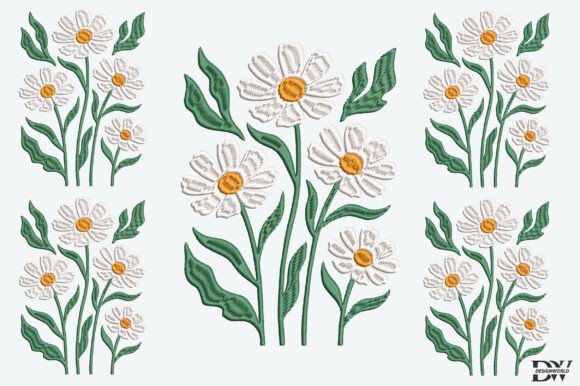
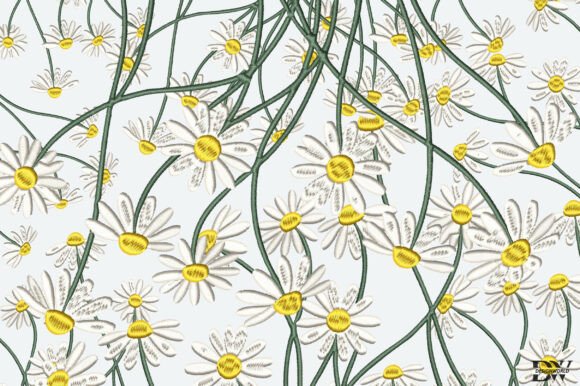
As I prepare my booth inventory for the upcoming weekend craft fair, I am constantly evaluating which digital assets will translate best into physical sales. When reviewing the White Daisies Embroidery Design, my immediate impression is one of soft, timeless elegance. This machine embroidery design captures the essence of wildflowers without feeling overly busy or dated. For a handmade product seller, this specific aesthetic is gold. It strikes a delicate balance between farmhouse rustic and modern minimalism, making it versatile enough to appeal to a wide demographic ranging from young cottagecore enthusiasts to traditional home decor shoppers. The clean lines described in the pattern suggest a digitizing style that prioritizes clarity, which is essential when customers are viewing items from across a market table.
Evaluating Market Viability for Craft Fair Products
When selecting a craft fair product lineup, versatility is key to maximizing return on investment. The White Daisies Embroidery Design performs exceptionally well across multiple categories because daisies are universally recognized as cheerful and classic. In my assessment, this design is a strong contender for tea towel embroidery. Kitchen textiles are high-volume sellers at markets, and the white floral motif provides a crisp contrast against unbleached cotton or flour sack linen. Unlike complex landscapes or dense portraits, this single flowers plants category design allows the fabric texture to breathe, preventing the stiff, bulletproof feel that can deter buyers looking for functional kitchenware.
For tote bag design applications, this pattern serves as an excellent focal point. Tote bags require artwork that is legible from a distance. The white daisy blooms offer enough visual weight to stand out on natural canvas, yet remain delicate enough to convey a premium handmade quality. I also see significant potential for apron embroidery. Aprons are tactile items; customers touch them before buying. A design with smooth satin stitches and open fill areas feels higher quality than a dense, heavy patch. Furthermore, this design translates beautifully to embroidered patches. Because the silhouette of a daisy is distinct, it holds its shape well when stitched onto felt or twill backing, making it perfect for denim jackets and caps sold at outdoor markets.
Production Practicality and Batch Efficiency
For Etsy sellers and small shop owners, time is money. A beautiful design is useless if it takes three hours to stitch out or requires constant thread trimming. Based on the description of clean beauty, I anticipate the White Daisies Embroidery Design is optimized for efficient production. Floral designs in the Single Flowers Plants category often utilize running stitches and light fills rather than solid blocks of color. This reduces stitch count and runtime, allowing for faster batch production of pillow covers and fabric pouches. Efficient runtimes mean I can produce more finished products per day leading up to the fair.
Photographing embroidery for online listings can be challenging, but white florals generally photograph beautifully due to their inherent contrast. This design asset should create stunning printable mockups for digital sellers who offer the file itself. However, for those selling physical goods, the white thread acts as a natural reflector, helping cameras capture stitch definition even in variable lighting conditions. This visual clarity increases buyer engagement both in person and online. When customers can clearly see the texture and detail of the stitching in a photo, perceived value increases. This design’s simplicity ensures it won't look muddy in thumbnails, which is crucial for scrolling mobile shoppers.
Critical Technical Considerations for Makers
Despite its versatility, there are careful-use notes every commercial embroidery business must consider. White thread on white or light fabric can sometimes lack definition if the stitch density is too low. Conversely, if the density is too high on lightweight fabrics like voile or thin linen, you risk puckering. Always verify the stabilizer requirements before committing to a full production run. For tea towel embroidery on textured surfaces, a water-soluble topping is often necessary to prevent the white stitches from sinking into the weave and losing their brilliance.
Size reduction is another critical factor. While the White Daisies Embroidery Design likely shines at standard sizes, shrinking floral elements can lead to lost details. Petals may merge, and centers may become indistinguishable blobs. Before offering this as a small accent on a cap or pocket, test the minimum viable size. Dark fabrics also present a challenge; while white pops against navy or black, ensure the underlay is sufficient to prevent the dark fabric color from bleeding through the white threads. If you plan to use this design on curved surfaces like caps, confirm the digitizing includes appropriate pull compensation to maintain the circular shape of the daisy blooms.
Designer Notes for Successful Implementation
To ensure this embroidery file becomes a profitable part of your inventory, follow these practical steps during your preparation phase:
- Test Stitch on Scrap Fabric: Never run a new design directly on a sellable item. Use scrap material identical to your final product to check tension and registration.
- Verify Thread Contrast: Test different shades of white (e.g., bright white vs. cream) against your chosen fabric. Sometimes a softer white blends better with vintage-style linens.
- Check Hoop Size Compatibility: Ensure the design fits comfortably within your hoop with adequate clearance for the presser foot to avoid frame strikes during high-speed stitching.
- Inspect Stitch Density: Run your finger over the test stitch-out. If it feels rigid or cardboard-like, reduce the density or switch to a lighter weight stabilizer.
- Create Real Mockups: Photograph at least one finished product in natural light. Digital renderings are useful, but real photos build trust with handmade product buyers.
- Confirm Licensing: Before listing any finished product or the digital embroidery file itself, review the designer’s terms to ensure commercial use is permitted for your specific business model.
- Compare Fabric Colors: White daisies look different on sage green versus blush pink. Create a color chart sample to help customers visualize options at your booth.
Enhancing Brand Value Through Timeless Florals
Incorporating the White Daisies Embroidery Design into your collection does more than just add another SKU; it strengthens brand consistency. Customers return to makers whose work has a recognizable aesthetic. A clean, timeless floral theme signals professionalism and attention to detail. Whether applied to a simple drawstring pouch or an elaborate quilt block, this design communicates a commitment to classic beauty over fleeting trends. For creative entrepreneurs, this reliability is what builds a loyal customer base.
Ultimately, the success of any craft fair product lies in the intersection of artistic appeal and technical execution. This design offers a compelling opportunity to create giftable handmade items that resonate emotionally with buyers while remaining practical to produce. By respecting the technical nuances of stitch density, fabric texture, and proper stabilization, you transform a digital file into a tangible asset that drives sales. As you curate your next collection, remember that designs capturing the "clean beauty" of nature often possess the longest shelf life and the broadest market appeal. Take the time to test, refine, and showcase this pattern properly, and it will likely become a staple in your embroidery business repertoire.