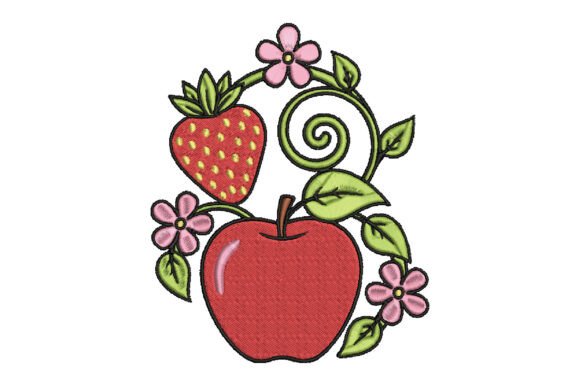
Apple Embroidery Design: A Business Review
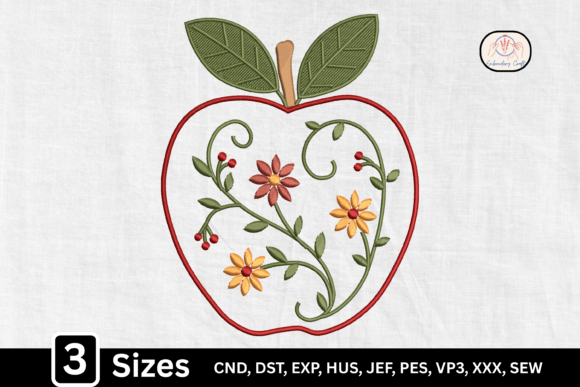
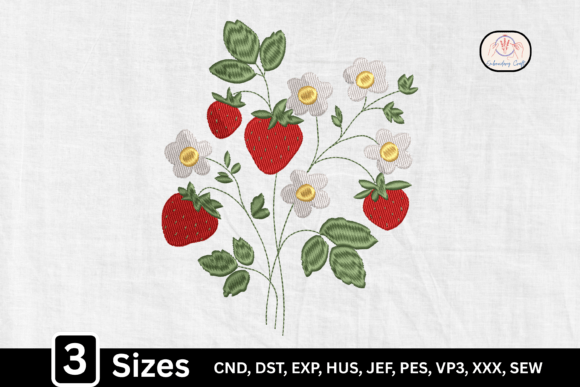
As a professional embroidery designer specializing in commercial merchandise, I approach every new machine embroidery design with a critical eye toward production viability and brand longevity. When evaluating the Apple Embroidery Design for small business applications, my primary focus is not just aesthetic appeal, but how this asset performs under the needle and in the marketplace. This design, featuring a vibrant red apple paired with a detailed strawberry and delicate pink flowers, presents a unique opportunity for businesses in the Food Dining sector, florists, bakeries, and handmade boutiques. However, translating a charming digital file into a profitable finished product requires understanding its technical behavior and strategic placement.
Visual Personality and Brand Alignment
The first impression of the Apple Embroidery Design is undeniably fresh and organic. For a small business owner, this visual tone communicates approachability, natural quality, and artisanal care. In the context of brand identity, this combination of fruit and floral elements moves beyond generic food iconography. It suggests a narrative of harvest, sweetness, and botanical attention to detail. This makes it particularly valuable for businesses that want to soften their corporate image or emphasize a farm-to-table ethos.
For Etsy sellers and creative studios, this design bridges the gap between rustic charm and modern elegance. The inclusion of delicate pink flowers alongside the bold red apple creates a balanced color palette that prevents the design from looking too juvenile or overly simplistic. When used as a chest logo accent or an apron embroidery motif, it signals to customers that the business values aesthetics as much as function. This perceived value is crucial for justifying premium pricing on custom apparel and branded accessories.
Commercial Applications and Merchandise Strategy
In real-world business scenarios, versatility is key. The Apple Embroidery Design shows strong potential across multiple merchandise categories, provided the application is matched to the design's complexity.
- Staff Uniforms and Aprons: The design serves as an excellent left-chest logo for café staff, bakers, or florists. The fruit imagery reinforces the product offering without needing text, allowing for instant recognition.
- Tote Bag Design: Canvas tote bags are a staple for farmers' markets and boutique retail. This design provides a large enough canvas to showcase the interplay between the apple, strawberry, and flowers, turning a functional bag into a walking advertisement.
- Embroidered Patches: For businesses selling add-ons or wanting modular branding, this artwork translates well into patches. However, the intricate floral details require careful digitizing review to ensure they remain distinct when scaled down.
- Customer Gifts and Packaging: Embroidering this design onto linen napkins, tea towels, or reusable produce bags elevates the unboxing experience. It transforms a simple transaction into a memorable interaction, fostering customer loyalty.
For commercial embroidery shops fulfilling bulk orders, this design offers a chance to upsell. Because it pairs specific fruits with florals, it can be marketed as a seasonal collection or a signature series for clients in the culinary and floral industries.
Technical Considerations for Production Success
While the Apple Embroidery Design is visually appealing, its multi-element composition demands respect during production. As a designer, I must highlight where caution is necessary to avoid wasted materials and unhappy clients.
Stitch Density and Fabric Texture
The description notes "delicate pink flowers" alongside solid fruit shapes. This contrast in fill types can create tension issues if not managed correctly. High stitch density areas (the solid apple) next to lighter satin or running stitches (the flowers) can cause puckering on lightweight fabrics. When planning cap embroidery or working with textured knits, you must verify that the embroidery file has appropriate underlay. Without proper stabilization, the dense red apple section may distort the cap front or pull the fabric grain on a polo shirt.
Scaling and Detail Retention
Small business merch often requires resizing. If you intend to use this as a sleeve detail or a tiny label tag, test the limits of the design. Detailed strawberries and thin flower stems are the first casualties of aggressive downsizing. Before committing to a production run of 50 units, confirm the minimum viable size. If the petals merge or the strawberry seeds disappear at 2 inches wide, the design loses its professional polish. Always check the recommended hoop size and test stitch-out dimensions against your specific garment constraints.
Thread Colors and Contrast
The vibrancy of this design relies heavily on accurate thread colors. A dull red or a muddy pink will undermine the "fresh" promise of the artwork. For dark uniforms, consider how the design interacts with the background. You may need to add a white underlay or outline to make the pink flowers pop against navy or black aprons. Conversely, on white linens, ensure the red thread is colorfast to prevent bleeding during industrial laundering, which is common in Food Dining environments.
Designer Notes: Pre-Production Checklist
To ensure the Apple Embroidery Design meets professional standards, I recommend the following workflow before listing products or starting client jobs:
- Verify Licensing: Before using this digital embroidery file for any revenue-generating activity, confirm the commercial license terms. Ensure you have the right to sell finished goods featuring this artwork.
- Create Printable Mockups: Use software to generate a printable mockup for client approval. Visualizing the apple and strawberry placement on a virtual apron or cap helps manage expectations regarding size and proportion.
- Test on Real Substrates: Never assume a design runs perfectly based on screen rendering. Test on the actual fabric texture you plan to use. A design that looks great on felt may fail on performance polyester.
- Check Stabilizer Compatibility: Match your stabilizer to the design density and fabric weight. Cut-away backing is usually safer for the mixed densities in this fruit-and-floral composition to prevent long-term distortion.
- Audit Spacing and Registration: Inspect the test sew-out for gaps between the apple and the flowers. Poor registration makes even a beautiful design look cheap. Adjust hoop tension or add alignment marks if necessary.
- Compare Against Existing Assets: Place this design beside your current design assets. Does it match the visual weight and style of your existing logo? Consistency builds trust; a jarring mismatch can confuse customers.
Impact on Business Value and Customer Trust
Ultimately, the decision to use the Apple Embroidery Design should be driven by business goals. High-quality embroidery signals permanence and care. Unlike screen printing, which can crack or fade, a well-executed embroidered patch or logo implies that the business is established and invested in quality. For a handmade product seller, this level of finish validates the price point. For a café, it turns staff uniforms into part of the decor.
However, poor execution damages trust. A puckered apple or lost floral detail suggests negligence. By treating this machine embroidery design with professional rigor—testing, stabilizing, and verifying—you protect your brand reputation. The charm of the apple and strawberry motif attracts attention, but the technical excellence of the embroidery retains it. When executed correctly, this design is more than decoration; it is a strategic asset for building a recognizable, trustworthy, and aesthetically cohesive small business brand.