Folk Art Fruit Floral Apple: A Designer's Review
When evaluating a new machine embroidery design for my studio, I look beyond the digital preview. As someone who produces custom apparel and home goods for both personal clients and retail sales, I need to know how a file translates from screen to fabric. The Folk Art Fruit Floral Apple caught my attention recently as a potential addition to my farmhouse-style collection. Before stitching it onto a sellable item or adding it to my library of design assets, I conducted a thorough assessment of its structure, aesthetic versatility, and production viability. This review reflects my practical experience testing this specific embroidery file in real-world scenarios.
First Impressions and Aesthetic Character
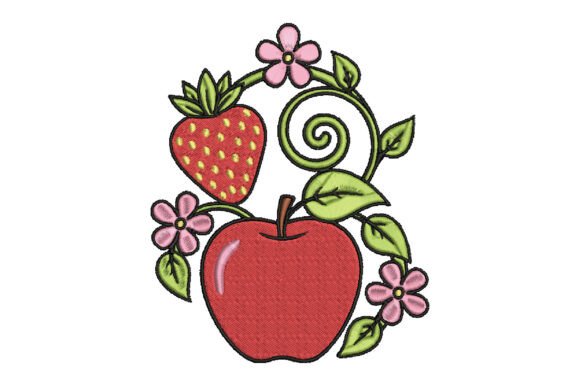
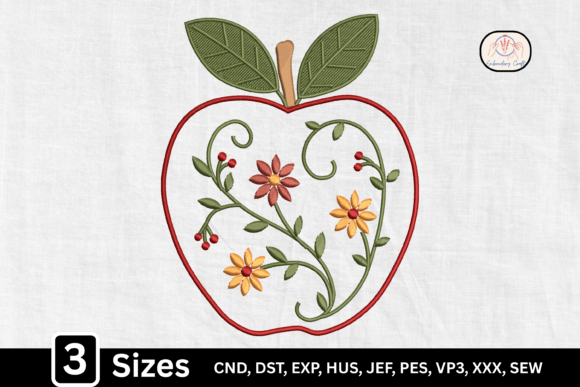
The immediate appeal of the Folk Art Fruit Floral Apple lies in its balanced composition. In the Food Dining category, fruit motifs can sometimes feel generic or overly cartoonish. However, this design leans into a sophisticated folk art tradition. The integration of floral elements within the apple shape creates visual texture that prevents the motif from looking flat when stitched out. For an Etsy seller or boutique owner, this level of detail is crucial because it elevates the perceived value of the finished product.
Visually, the design carries a nostalgic warmth that pairs exceptionally well with natural fibers like linen, cotton canvas, and denim. It does not scream for attention but rather invites a closer look. This subtlety makes it ideal for customers seeking personalized gifts that feel heirloom-quality rather than mass-produced. When I first loaded the file, the layout appeared centered and stable, suggesting that the digitizer paid attention to pull compensation—a critical factor for maintaining shape integrity on various fabrics.
Real-World Application: The Custom Tote Bag Test
To truly understand the performance of the Folk Art Fruit Floral Apple, I selected a mid-weight natural canvas tote bag as my test substrate. Tote bags are a staple for any craft business because they serve as walking billboards and practical retail items. My goal was to determine if this tote bag design could withstand the rigors of daily use while maintaining its charm.
During the stitch-out, I observed how the design handled the canvas weave. The interplay between what appears to be satin stitch outlines and fill stitch interiors created a pleasing tactile contrast. On a tote bag, where durability matters, the density felt appropriate. It provided enough coverage to stand out against the textured background without becoming so dense that it distorted the fabric or caused puckering. For makers focusing on commercial embroidery, this balance is essential; you want a design that runs efficiently without excessive thread consumption or long run times, yet still looks substantial.
I also considered how this would translate to other popular items. As a sweatshirt embroidery placement on the chest or sleeve, the size and detail level seem adaptable. The organic lines of the folk art style complement the relaxed fit of modern apparel. Similarly, for baby embroidery projects like bibs or nursery pillows, the softness of the floral integration makes the apple theme gender-neutral and gentle, avoiding harsh edges that might look out of place in a nursery setting.
Fabric Considerations and Technical Caution Zones
While the Folk Art Fruit Floral Apple performed beautifully on stable canvas, every embroidery project requires specific adjustments based on material choice. If you plan to use this on stretchy knits for t-shirts or hoodies, proper stabilization is non-negotiable. The intricate details typical of folk art can get lost or distort if the fabric shifts during stitching. I strongly recommend using a high-quality cut-away stabilizer for any apparel application to preserve the crispness of the floral accents.
Be mindful when working with highly textured fabrics like terry cloth or boucle. While the design has good presence, fine running stitch details inherent in folk art styles may sink into deep pile textures. In these cases, consider using a water-soluble topping to keep the stitches visible. Conversely, on very thin fabrics like voile or lightweight quilting cotton, check the stitch density. If the design is too heavy, it could create a bulletproof patch effect that drapes poorly. Always verify the specifications of your specific digital embroidery file before committing to delicate materials.
For those creating embroidered patches or applying this to curved surfaces like caps, test the scale carefully. Folk art relies on flow; shrinking the design too small to fit a cap front might cause the floral elements to merge, losing definition. Always confirm the minimum recommended hoop size and resize within safe limits to maintain stitch integrity.
Enhancing Product Value and Brand Consistency
Incorporating the Folk Art Fruit Floral Apple into your lineup can significantly impact buyer engagement. For small shop products, consistency builds trust. This design offers a versatile anchor piece that can bridge seasonal collections. It works equally well for autumn harvest themes and spring garden aesthetics, maximizing your return on investment for the embroidery file.
When presenting this design to clients or listing it online, professional presentation matters. I tested the design in both color and monochrome thread variations. The structural integrity held up in single-color white-on-white stitching, which is excellent for minimalist branding or tone-on-tone custom apparel. This versatility allows you to offer multiple SKU variations from a single design asset. Whether you are selling physical goods or marketing a printable mockup for pre-orders, ensuring the design looks polished across different colorways increases its commercial viability.
Furthermore, for sellers in the Food Dining niche, such as those making kitchen towels or aprons, this design adds a layer of artisanal credibility. Customers associate detailed folk art with handmade care. Using this motif signals that your products are curated with intention, distinguishing your brand from competitors using generic clip-art style graphics.
Essential Notes for Makers and Sellers
Before adding the Folk Art Fruit Floral Apple to your next production run, please adhere to these professional best practices:
- Always Test Stitch: Never run a new machine embroidery design directly on a final product. Stitch it on scrap fabric similar to your project to check tension, registration, and density.
- Verify Licensing: Confirm whether your purchase includes commercial rights for selling finished items or if it is restricted to personal use. This is vital for Etsy sellers and business owners.
- Check File Compatibility: Ensure the format matches your machine. While most digital embroidery files are universal, some machines handle complex fill patterns differently.
- Thread Color Matching: Folk art often relies on specific shading. Review the included color chart, but also test thread colors against your actual fabric swatch, as screen colors rarely match physical threads perfectly.
- Stabilizer Selection: Match your stabilizer to the fabric weight and design density. Do not rely solely on tear-away for designs with intricate borders or heavy fills on unstable fabrics.
- Mockup Accuracy: If using this for digital listings, ensure your printable mockup accurately represents the stitch texture. Misleading smooth vector previews can lead to customer disappointment when they receive a textured embroidered item.
The Folk Art Fruit Floral Apple is more than just a pretty picture; it is a functional design element that, when executed correctly, enhances the quality and desirability of handmade goods. By approaching it with technical mindfulness and creative intention, you can transform this embroidery file into a signature piece for your collection. Whether you are crafting a holiday gift, stocking your boutique, or fulfilling custom orders, this design offers the reliability and charm necessary for successful embroidery work. Remember, the difference between a good project and a great one often lies in these preliminary evaluations and thoughtful material pairings.