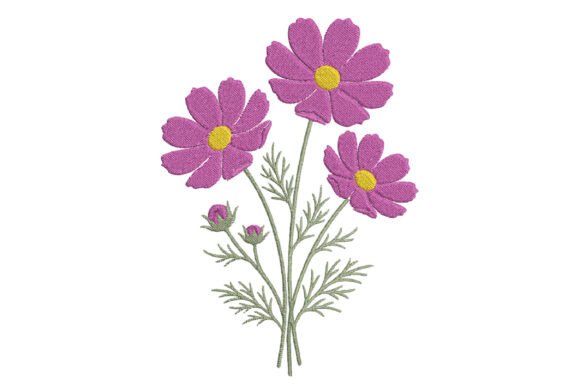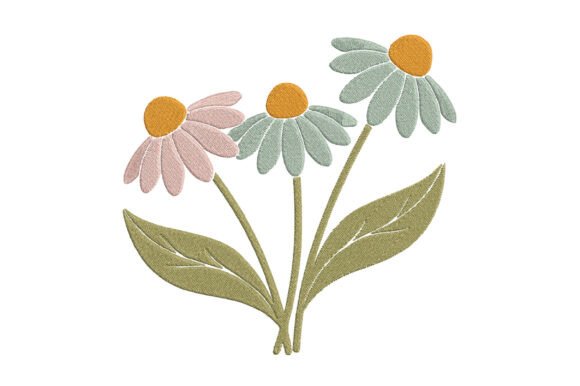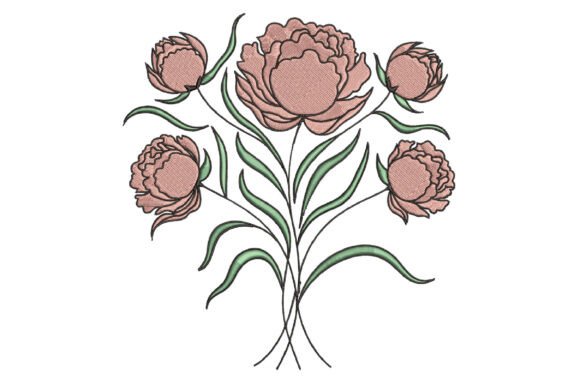
Sketch Flowers: Modern Line Art Design Review
As an embroidery designer who specializes in commercial branding and merchandise production, I approach every new machine embroidery design with a critical eye toward production viability. When evaluating Sketch Flowers – Modern Line Art, my primary focus is not just aesthetic appeal, but how this digital asset translates into profitable, durable goods for small businesses. This review dissects the design from the perspective of a professional digitizer and merch creator, assessing its suitability for branded patches, staff uniforms, and retail products.
First Impressions: Professionalism Meets Organic Warmth
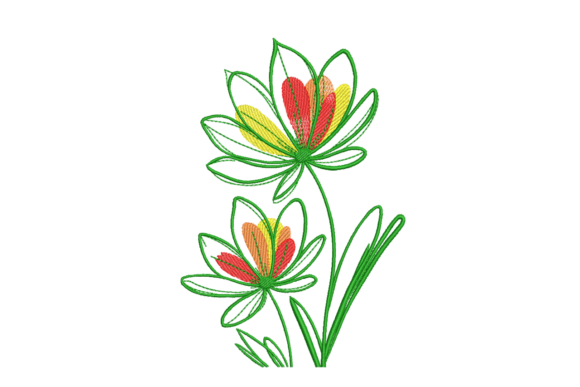
Upon loading the embroidery file, the immediate impression of Sketch Flowers – Modern Line Art is one of refined accessibility. In the category of Single Flowers Plants, many designs lean heavily into dense satin stitches or complex shading that can feel dated or overly domestic. However, this modern line art style strikes a balance that is crucial for contemporary commerce. It feels handcrafted yet intentional, avoiding the messy appearance of amateur digitizing while retaining the organic warmth necessary for boutiques, florists, bakeries, and creative studios.
For a business owner, this visual personality is a strategic asset. The sketch aesthetic implies a handmade product ethos without sacrificing legibility at smaller sizes. It reads as premium and artisanal rather than generic clip art. Whether intended for a high-end salon apron or a rustic coffee shop tote, the design communicates quality. The open nature of line art also suggests lower stitch counts compared to filled floral designs, which directly correlates to faster run times and higher profit margins in commercial embroidery environments.
Real-World Applications for Small Business Merch
The versatility of Sketch Flowers – Modern Line Art makes it a strong candidate for various revenue streams and branding touchpoints. Based on the structural integrity typical of modern line work, here is how I evaluate its performance across key business assets:
- Embroidered Patches: This is perhaps the strongest use case. Line art translates exceptionally well to merrowed edge patches because the open spaces prevent the patch from becoming stiff or bulletproof. For Etsy sellers or event merch creators, these patches serve as low-cost, high-perceived-value add-ons.
- Apron Embroidery: For cafés and florists, aprons endure rigorous washing. The linear construction of this design allows thread to move with the fabric rather than fighting against it, reducing puckering and distortion over time.
- Tote Bag Design: Canvas totes are a staple for boutique branding. The modern aesthetic of Sketch Flowers complements natural cotton and linen textures, creating a cohesive brand identity that appeals to eco-conscious consumers.
- Staff Uniforms: As a left-chest accent on polos or button-downs, this design offers a softer alternative to rigid corporate logos. It humanizes service staff in hospitality and wellness sectors while maintaining professional recognition.
- Product Packaging Accents: Beyond apparel, consider embroidering this motif onto cloth bags, jar cozies, or gift wrap ribbons. These tactile details elevate the unboxing experience and reinforce brand value.
Production Constraints and Technical Considerations
While aesthetically pleasing, line art requires specific technical attention during production. As a designer, I must highlight where caution is needed to ensure the finished product meets commercial standards.
Navigating Small Sizes and Curved Surfaces
Line art relies entirely on precision; there is no fill to hide registration errors. When scaling Sketch Flowers down for cap fronts or sleeve cuffs, you must verify the minimum stitch length. If the design becomes too small, running stitches may disappear into the fabric weave or cause needle breaks. Always test the absolute minimum size before committing to bulk cap embroidery or label production. Curved surfaces like caps introduce additional tension challenges; ensure your hooping technique minimizes flagging to keep those delicate lines crisp.
Fabric Texture and Stabilizer Selection
The success of this digital embroidery file depends heavily on substrate choice. On smooth fabrics like poplin or twill, the lines will appear sharp and defined. However, on textured fabrics like fleece, terry cloth, or heavy canvas, fine lines can get lost. In these scenarios, you may need to adjust the stitch density or utilize a water-soluble topping to keep the stitches visible. Proper stabilizer selection is non-negotiable; a cutaway stabilizer is generally recommended for stretchy apparel to prevent the line art from warping after laundering, whereas tear-away may suffice for stable tote bags.
Thread Colors and Contrast
Modern line art lives or dies by contrast. A white sketch on cream fabric will vanish, defeating the purpose of branding. Before production, evaluate thread colors against your specific merchandise palette. Dark threads on light fabrics typically offer the best readability for line work. If using variegated or metallic threads, test first, as color shifts can sometimes break the visual continuity of a sketch design.
Impact on Brand Identity and Customer Trust
In the competitive landscape of small business, visual consistency builds trust. Sketch Flowers – Modern Line Art serves as more than decoration; it functions as a visual anchor for brand identity. When customers see consistent, high-quality embroidery across your staff uniforms, packaging, and retail items, it signals operational excellence. Poorly executed embroidery suggests carelessness, but clean, professional line art reinforces the perception of a meticulous, trustworthy business.
Furthermore, this design style bridges the gap between personalization and scalability. It feels unique enough to suggest bespoke craftsmanship—a key selling point for handmade brands—yet structured enough to be reproduced consistently across hundreds of units. This duality increases buyer engagement by making mass-produced items feel special and curated.
Essential Designer Notes for Commercial Success
Before adding Sketch Flowers – Modern Line Art to your production queue, adhere to this professional checklist to mitigate risk and maximize quality:
- Verify Licensing: Confirm the specific commercial license terms included with the purchase. Ensure you have the rights to sell finished embroidered goods or create patches for resale.
- Check Hoop Size Compatibility: Review the exact dimensions of the design file against your available hoops. Do not assume resizing capabilities without testing, as altering line art proportions can distort the artistic intent.
- Create Printable Mockups: Before stitching physical samples, generate a printable mockup to visualize placement and scale on the actual garment. Share this with clients or stakeholders for approval to avoid costly re-stitches.
- Test in Black and White: Run a grayscale simulation or a single-color test stitch-out first. This reveals spacing issues, jump stitch paths, and density problems that color changes might mask.
- Inspect Spacing and Trims: Line art often involves long runs. Check if the file includes unnecessary trims or excessive jumps that could slow down production or leave visible travel threads on the final product.
- Compare Against Existing Assets: Place this design beside your current logo and other design assets. Ensure the stroke weight and visual density match your existing brand guidelines for a cohesive look.
- Wash Test: For items requiring frequent laundering (aprons, uniforms), wash and dry the test sample three times. Inspect for thread shrinkage, fabric puckering, or line distortion before full production.
Ultimately, Sketch Flowers – Modern Line Art represents a valuable tool for apparel decorators and business owners seeking to elevate their merchandise. By respecting the technical requirements of line art embroidery and applying strategic branding principles, this design can transform simple blanks into powerful, profit-generating brand assets. Always prioritize testing and verification to ensure that the elegance seen on screen translates perfectly to the tangible reality of custom apparel and branded goods.