Mosaic Seahorse Coral: Craft Fair Review
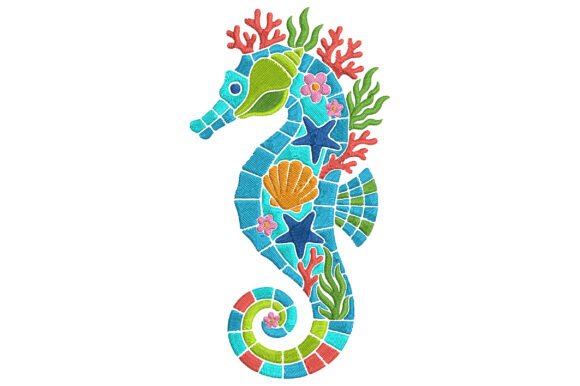
As I prepare my booth layout for the upcoming weekend craft fair, I am constantly evaluating which designs will stop customers in their tracks. When reviewing the Mosaic Seahorse Coral machine embroidery design, my immediate impression is one of vibrant, artistic sophistication. This is not a generic cartoon fish; it is a stylized, stained-glass interpretation that feels premium and intentional. The description highlights turquoise and lime-green mosaics, suggesting a color palette that pops against neutral backgrounds while retaining an organic, underwater elegance. For handmade shop owners and Etsy sellers, this design bridges the gap between whimsical marine life and modern decorative art, making it a versatile contender for a diverse product lineup.
Visual Impact and Booth Display Strategy
In a crowded market environment, visual clarity is paramount. The Mosaic Seahorse Coral succeeds because the stained-glass aesthetic creates natural contrast through distinct color blocks rather than relying solely on outline definition. From a distance, the interplay of turquoise and lime green reads as a cohesive, bold graphic rather than a muddy blend of thread colors. This makes it an excellent focal point for booth displays. When arranging my table, I envision this design anchoring a vertical display of tote bags or serving as the centerpiece of a framed hoop wall. The geometric nature of the mosaic pattern allows it to feel structured enough for modern buyers while retaining the softness required for coastal or nursery themes.
For creative entrepreneurs focusing on brand consistency, this motif offers a unique advantage. It avoids the cliché "beachy" look often associated with Fish Shells categories. Instead, it leans into an artisanal, handcrafted vibe that justifies higher price points. Whether displayed on a linen pillow cover or a canvas market bag, the design communicates quality and deliberate artistic choice, encouraging buyer engagement from customers seeking unique handmade products rather than mass-produced souvenirs.
Best Product Applications for Market Sales
Determining where to apply a digital embroidery file is just as important as the stitching itself. Based on the intricate fill work described in the Mosaic Seahorse Coral, certain products will yield better commercial results than others.
- Tote Bags and Market Bags: This is arguably the strongest application. The flat surface of canvas or cotton duck fabric supports the density of mosaic stitching without distortion. A large-scale seahorse centered on a natural tote creates a high-value craft fair product that photographs beautifully for online listings.
- Tea Towels and Kitchen Linens: The stained-glass style translates exceptionally well to tea towel embroidery. The smooth texture of flour sack or linen toweling allows the turquoise and lime threads to shine. However, placement matters; keep the design in the lower third or center to avoid interference with folding and hanging.
- Decorative Pillows: For boutique makers, this design adds instant value to home decor. The artistic complexity suggests a finished product worthy of interior styling. Ensure the fabric weight matches the stitch density to prevent puckering.
- Embroidered Patches: While possible, caution is advised. The intricate mosaic details may become lost if scaled down too small for a patch. If pursuing this route, test the minimum size rigorously to ensure the "stained glass" segments remain distinct.
Production Practicalities and Stitch Integrity
From a production standpoint, the Mosaic Seahorse Coral requires careful technical consideration. Stained-glass style embroidery typically involves significant stitch density due to the solid fill areas separated by negative space or contrasting lines. As an experienced designer, I must emphasize checking your stabilizer strategy before batch production. Using a lightweight tear-away on a dense design like this can lead to registration issues where the turquoise and lime sections fail to align perfectly. A medium-weight cutaway or high-quality no-show mesh is often necessary to maintain structural integrity, especially on stretchy fabrics or knits.
Fabric texture plays a critical role in the final outcome. While the design likely performs beautifully on woven cottons and linens, highly textured terry cloth or waffle-weave towels might obscure the fine lines defining the mosaic tiles. If you intend to use this for apron embroidery on textured denim or canvas, consider adding a water-soluble topping to keep the stitches crisp. Additionally, verify the hoop size requirements in your embroidery file metadata. Do not assume this design fits a standard 4x4 hoop; mosaic styles often require larger fields to preserve detail. Always confirm these specifications before purchasing or stitching to avoid mid-production surprises.
Critical Considerations for Scaling and Detail
One of the most common pitfalls for small shop products is resizing complex artwork without understanding the consequences. The Mosaic Seahorse Coral relies on specific spacing to achieve its stained-glass effect. Reducing the design significantly can cause adjacent mosaic tiles to merge, turning a vibrant seahorse into a solid blob of color. Conversely, enlarging it beyond its intended parameters may result in visible gaps between stitch columns.
I strongly advise against using this design on curved surfaces like caps unless you have verified a cap-specific version. The flat, geometric alignment of mosaic patterns rarely translates well to the curved brim area without significant digitizing adjustments. Similarly, be wary of dark fabrics. Unless the design includes a white underlay or specific light-colored borders, the turquoise and lime threads may lack sufficient contrast against navy or black material, diminishing the visual appeal. For dark garments, request or create a test stitch-out to evaluate visibility before committing to inventory.
Designer Notes for Commercial Success
To maximize the return on this design asset, follow these professional protocols before listing any finished product for sale:
- Create Physical Mockups: Never rely solely on printable mockups for a design this detailed. The interaction of light with rayon or polyester thread changes the perceived color. Stitch at least one sample on your intended selling substrate to verify that the lime green doesn't appear neon in natural light.
- Verify Licensing: Before selling tote bags, pillows, or aprons featuring Mosaic Seahorse Coral, confirm the commercial licensing terms included with your digital embroidery file. Some designers restrict physical sales or require attribution.
- Test Thread Contrast: Compare your specific thread brand colors against the design chart. "Turquoise" varies wildly between manufacturers. Ensure your chosen shades provide enough separation to define the mosaic pattern clearly.
- Inspect Stitch Density: Run a test on scrap fabric identical to your production material. Check the back of the embroidery; excessive bulk indicates a need for stabilizer adjustment or needle size change to prevent fabric damage.
- Photograph Texture: When creating Etsy listings, include close-up shots showing the stitch texture. Customers buying handmade products want to see the dimensionality of the mosaic fill, not just a flat digital render.
The Mosaic Seahorse Coral represents a strong opportunity for embroidery business owners looking to elevate their Fish Shells category offerings. Its artistic merit and vibrant color story make it a standout candidate for craft fairs and digital storefronts alike. By respecting the technical demands of stained-glass embroidery and applying strategic product selection, this design can become a profitable staple in your handmade inventory. Always prioritize real-world testing over digital assumptions to ensure every stitched seahorse meets the high standards your customers expect.