Spring Wildflower Honey Bee: A Craft Fair Review
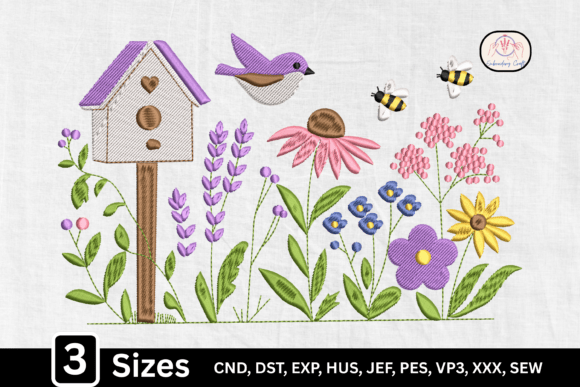
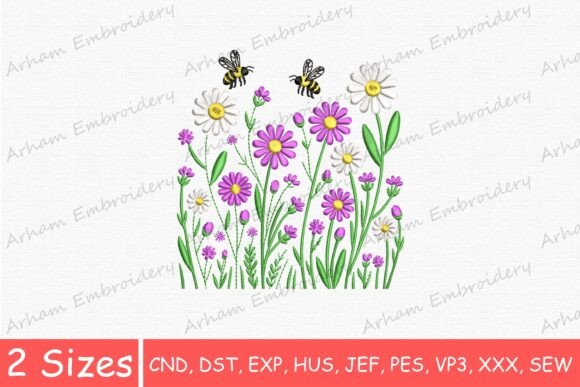
As an embroidery designer preparing for the upcoming weekend craft fair season, I am constantly evaluating which digital assets will translate best into physical sales. When reviewing the Spring Wildflower Honey Bee machine embroidery design, my primary focus is not just on the aesthetic beauty of the digitizing, but on its commercial viability for handmade business owners. This design, featuring a delicate honey bee surrounded by blooming wildflowers, captures the essence of springtime in a way that feels both nostalgic and currently trendy. For Etsy sellers and boutique makers, this specific motif sits at the intersection of cottagecore charm and modern farmhouse appeal, making it a strong contender for your next production run.
First Impressions and Market Positioning
Upon loading the embroidery file into my software, the immediate impression of Spring Wildflower Honey Bee is one of soft elegance rather than bold graphic intensity. It does not scream for attention with neon colors or aggressive outlines; instead, it invites the viewer to lean in. This subtlety is a massive advantage for craft fair products because it signals high-end handmade quality over mass-produced factory goods. The design feels organic and breathable, which aligns perfectly with current consumer preferences for sustainable, nature-inspired goods.
For creative entrepreneurs, this mood dictates your pricing strategy. Because the design evokes a sense of delicate artistry, it supports a higher price point on finished products compared to generic clip-art style bees. It positions your brand as thoughtful and detail-oriented. Whether you are a digital seller offering the file or a maker selling physical goods, this design communicates a premium, artisanal value that resonates deeply with shoppers looking for meaningful gifts.
Best Performing Products for Booth Displays
Not every embroidery design works on every substrate. Based on the composition of Spring Wildflower Honey Bee, I have identified specific items where this design will drive the most engagement and sales at a market booth.
- Tote Bag Design: This is arguably the strongest application. Canvas tote bags provide a stable, flat surface that allows the wildflower details to remain crisp. As a tote bag design, it serves as a walking billboard for your booth. Customers carrying these bags attract others who appreciate nature-themed accessories.
- Tea Towel Embroidery: Kitchen textiles are a staple for spring markets. The floral elements in this design complement the functional nature of tea towels without looking cluttered. However, ensure you are using a flour sack towel or smooth cotton; textured terry cloth can obscure the finer petal stitches.
- Apron Embroidery: For the gardening and baking demographic, this design adds a touch of whimsy to utility wear. Placed on the chest pocket area or lower hem, it transforms a basic apron into a desirable handmade product.
- Embroidered Patch: If you want to maximize profit margins, consider turning this into a patch. The contained shape of the bee and flowers makes it ideal for merrowed edges. Patches allow customers to customize their own denim jackets or caps, lowering the barrier to entry for buyers who cannot afford a full embroidered garment.
- Fabric Pouches and Pillows: Small zippered pouches and pillow covers benefit from the centered composition of this design. These items photograph beautifully for online listings and serve as excellent add-on sales at physical tables.
Production Practicality and Batch Efficiency
A beautiful design is useless if it takes four hours to stitch out or causes excessive thread breaks during batch production. From a manufacturing standpoint, Spring Wildflower Honey Bee appears to be designed with efficiency in mind. The transition between the bee and the surrounding flora likely utilizes color consolidation techniques, minimizing jump stitches and trims. This is crucial for small shop product creation where time equals money.
For Etsy sellers creating printable mockups, the balanced composition of this design makes digital marketing easier. It centers well on standard mockup templates and remains recognizable even when scaled down for social media thumbnails. Furthermore, the design is repeatable. Unlike complex scenic landscapes that require perfect alignment, this motif is forgiving enough to be hooped quickly in succession, allowing you to build inventory for the fair without excessive setup downtime.
Critical Technical Considerations for Makers
While the design is versatile, there are specific technical constraints that commercial embroidery businesses must respect to maintain quality. Ignoring these can lead to poor stitch-outs and wasted materials.
- Stitch Density and Fabric Texture: The "delicate" nature of the bee implies satin stitches or fine fill patterns. If you are stitching on thick canvas or dark denim, you must adjust your stabilizer strategy. Use a heavy-duty cut-away stabilizer to prevent puckering. On textured towels, consider using a water-soluble topping to keep the wildflower details from sinking into the fabric weave.
- Hoop Size Verification: Before committing to a production run, confirm the exact hoop size required. Do not assume this fits a 4x4 hoop simply because it is a nature motif. Check the digital embroidery file specifications to ensure you have adequate clearance for your machine’s presser foot.
- Thread Colors and Contrast: Spring palettes can sometimes lack contrast against light fabrics. Test your thread colors on scrap fabric first. If the wildflowers are pale yellow and you are stitching on cream linen, the design may vanish in person. You may need to deepen the outline shades or add a subtle shadow effect to ensure visibility in natural outdoor lighting at a craft fair.
- Scaling Limitations: Be cautious about resizing this design downward. Tiny details in the bee’s wings or flower stamens may turn into a thread nest if reduced below the digitizer's recommended minimum size. Always verify clarity at your intended finished size before bulk production.
Enhancing Brand Value and Customer Engagement
Beyond the mechanics of stitching, Spring Wildflower Honey Bee serves as a strategic asset for brand consistency. In a crowded handmade market, having a cohesive visual theme helps customers remember you. This design pairs exceptionally well with other botanical or apiary-themed assets, allowing you to create curated collections rather than disjointed random items.
When displaying this at a booth, use natural lighting or warm-toned lamps to enhance the thread sheen. The interplay of light on the embroidery brings out the dimensionality of the stitches, something that flat printed goods cannot replicate. Encourage customers to touch the samples; the tactile experience of raised embroidery on a smooth tote bag or apron significantly increases conversion rates. For digital sellers, emphasize the versatility of the design assets in your listing description, highlighting how easily it adapts to various commercial embroidery projects.
Final Designer Recommendations
Before listing any finished product derived from Spring Wildflower Honey Bee, always confirm your commercial licensing terms. Ensure you have the right to sell physical items made with this specific embroidery file. Additionally, create at least one real-world sample rather than relying solely on digital renderings. Photograph this sample in context—on a table setting, held by a model, or styled with fresh flowers—to help buyers visualize the end result.
Ultimately, this design represents a low-risk, high-reward opportunity for spring inventory. It balances artistic appeal with production practicality, making it a reliable workhorse for both new and established embroidery businesses. By paying attention to stabilizer choices, fabric pairings, and display strategies, you can transform this digital file into a best-selling craft fair product that celebrates the season while growing your bottom line.